Art cities like New York, Paris, and Berlin are renowned for their vibrant cultural scenes, attracting artists, collectors, and enthusiasts from around the world. These cities often boast a robust art market, with galleries, auction houses, and fairs driving the economic engine of the art world. However, beneath the surface of this bustling ecosystem lies a fundamental tension: the creative ambitions of artists and the commercial imperatives of the art market are often at odds. This article delves into why these two entities struggle to coexist harmoniously in major art cities, with specific examples and data.
The Artistic Vision vs. Market Demands
Artists are driven by a desire to express themselves, explore new ideas, and push the boundaries of their medium. Their work is often a reflection of personal experiences, societal critiques, or abstract concepts that resist commodification. In contrast, the art market is driven by sales, trends, and investment potential. Collectors and dealers frequently seek works that are likely to appreciate in value or fit within established aesthetic norms. This commercial lens can pressure artists to conform to market tastes, potentially stifling innovation and self-expression.
For example, in New York City, the dominance of blue-chip galleries like Gagosian and Pace often means that artists who are willing to create commercially viable art gain more exposure and sales opportunities than those pursuing more avant-garde projects. This trend is reflected in the market’s preference for certain styles and mediums that are deemed “market-friendly.”
Financial Pressures and Living Costs
Major art cities are typically expensive places to live. The cost of studio space, materials, and basic living expenses can be prohibitive, especially for emerging artists. While successful artists might command high prices for their work, many struggle to make ends meet. The art market, with its focus on profitability, can exacerbate this issue. Galleries often take a significant commission on sales, and the high cost of participating in art fairs or exhibitions can further strain artists’ finances. This economic disparity creates an environment where only those with substantial financial backing or commercial appeal can thrive, sidelining many talented but less marketable artists.
New York City: According to a 2022 report by StreetEasy, the median rent for a studio apartment in Manhattan was $3,400 per month. For an artist without steady income from their work, this cost is a significant burden. The high cost of living has led to the displacement of many artists from Manhattan to outer boroughs or even to other cities.
Paris: The French capital is known for its bohemian history, yet the modern reality is different. A 2023 survey by Numbeo indicated that the average cost of living in Paris, including rent, is about €3,000 per month. Rising rents in traditionally artistic neighborhoods like Montmartre and Le Marais have forced many artists to relocate to less central areas.
Berlin: Once a haven for artists due to its affordability, Berlin has seen significant rent increases in recent years. Data from ImmobilienScout24 showed that the average rent in Berlin rose by 30% from 2018 to 2023, with creative hubs like Kreuzberg and Neukölln becoming increasingly unaffordable for emerging artists.
The Role of Galleries and Institutions
Galleries and institutions play a pivotal role in the art ecosystem, acting as gatekeepers who can make or break an artist’s career. While their support can provide artists with visibility and credibility, it also comes with strings attached. Galleries may prioritize artists whose work aligns with current market trends, leaving less room for experimental or unconventional art. This dynamic can lead to a homogenization of artistic output, where innovation is sacrificed for marketability. Additionally, the power imbalance between artists and galleries can result in exploitative practices, further complicating their coexistence.
Los Angeles: The art scene in LA is known for its diversity and experimental nature, partly due to lower living costs compared to New York or San Francisco. However, even here, major galleries tend to favor artists whose work has a clear market appeal, which can limit opportunities for more experimental artists.
London: London’s art market is highly competitive, with major institutions like the Tate Modern and commercial galleries such as White Cube dominating the scene. Artists who do not align with the tastes of these powerful entities often struggle to gain visibility. The 2023 Art Market Report by Art Basel and UBS highlighted that 80% of sales in the UK art market were concentrated among the top 10% of galleries.
The Spectacle of Art Fairs and Auctions
Art fairs and auctions are major events in the art market calendar, attracting wealthy collectors and generating significant media attention. However, these events often prioritize spectacle and sales over artistic merit. The high-stakes environment can reduce art to a commodity, where the focus is on record-breaking prices rather than the work itself. This commercial frenzy can overshadow the artist’s original intent and dilute the cultural value of art. For many artists, this commodification represents a fundamental disconnect between their creative goals and the market’s priorities.
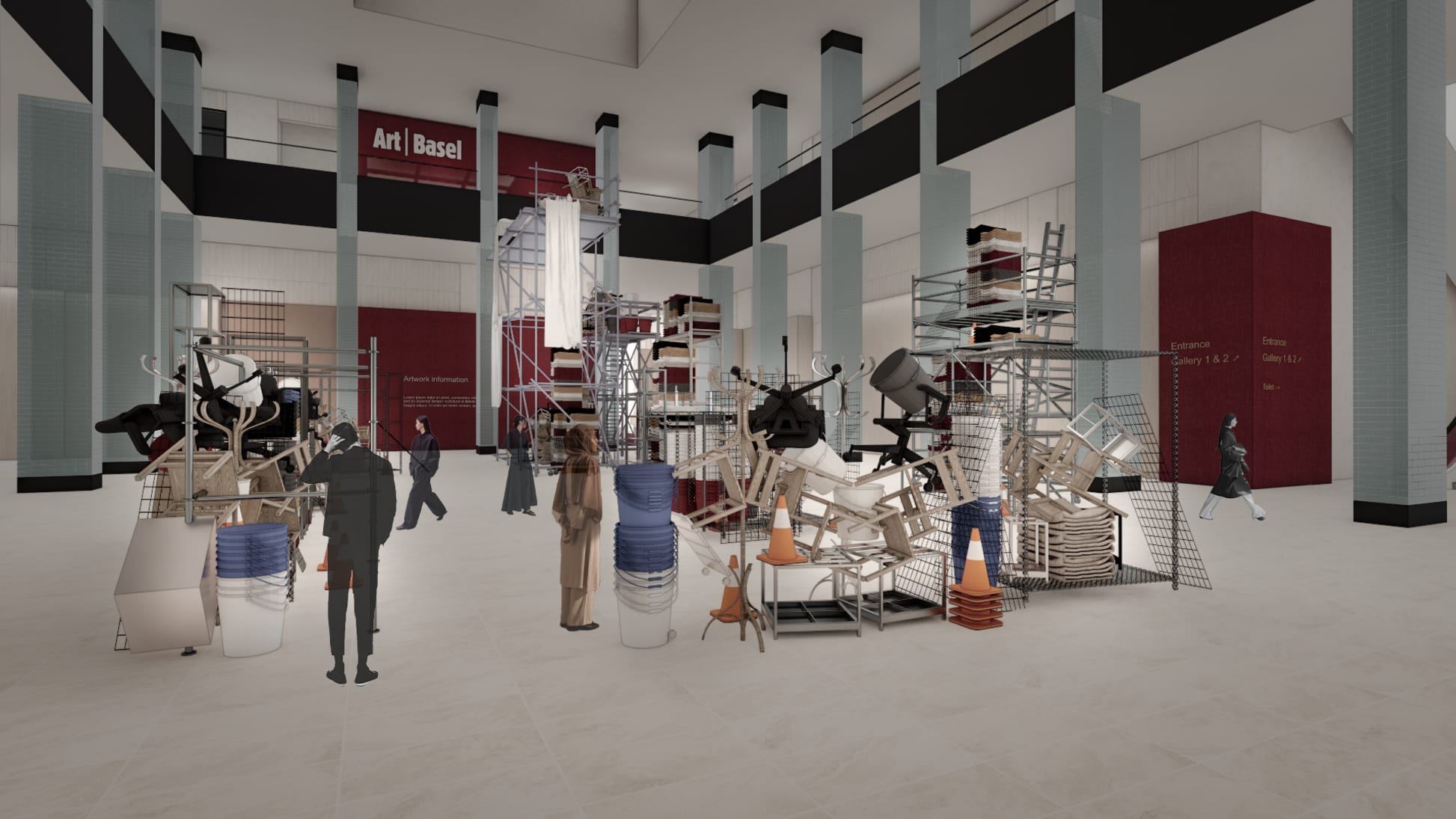
Art Basel: One of the most prestigious art fairs, Art Basel, takes place in multiple cities including Basel, Miami Beach, and Hong Kong. The focus on high sales and exclusive parties often overshadows the artistic content of the fair. A 2022 survey by The Art Newspaper revealed that 65% of participating galleries felt pressured to bring works that would sell quickly rather than those that best represented their artists’ vision.
Cultural Capital vs. Economic Capital
Artists contribute to the cultural capital of a city, enriching its social fabric and intellectual landscape. Their work often challenges societal norms, provokes thought, and fosters community. The art market, on the other hand, is primarily concerned with economic capital. While a thriving market can bring financial benefits to a city, it can also lead to gentrification and displacement, pushing out the very artists who helped create the cultural vibrancy in the first place. This paradox highlights the difficulty of balancing the cultural and economic dimensions of art in major cities.
Berlin: Berlin’s cultural capital has been significant since the fall of the Berlin Wall, attracting artists worldwide. However, a 2021 report by the Berlin Senate Department for Culture and Europe showed that rising rents and living costs were forcing many artists to leave the city, threatening its cultural vibrancy.
San Francisco: Known for its tech industry, San Francisco has seen dramatic increases in living costs. The city’s Mission District, once a hub for artists, has experienced significant gentrification. A 2020 report by the San Francisco Arts Commission found that 70% of artists surveyed were considering leaving the city due to the high cost of living.
Potential Solutions and Paths Forward
Despite these challenges, there are ways to bridge the gap between artists and the art market:
1.Support for Emerging Artists: Initiatives such as grants, residencies, and affordable studio spaces can provide crucial support for emerging artists, allowing them to focus on their practice without undue financial pressure.
New York City: Organizations like the New York Foundation for the Arts (NYFA) offer grants and resources for artists to support their creative endeavors. Programs like the Lower Manhattan Cultural Council’s (LMCC) Workspace residency provide affordable studio space and professional development.
2.Diverse Representation: Galleries and institutions can strive for greater diversity in the artists they represent, embracing a wider range of voices and styles. This approach can foster innovation and broaden the market’s horizons.
Los Angeles: The Broad Museum in LA has been noted for its efforts to showcase diverse and underrepresented artists, helping to challenge the market’s focus on more established names.
3.Ethical Practices: Transparency and fairness in gallery-artist relationships can help build trust and ensure that artists receive their fair share of profits. Ethical practices can also mitigate exploitation and power imbalances.
London: Initiatives like the Artist Contract developed by artists and legal experts in the UK aim to create more equitable agreements between artists and galleries.
4.Community Engagement: Encouraging community-based art projects and public art can reinforce the cultural value of art and strengthen the connection between artists and their local communities.
Berlin: The Berlin Art Week and the Berlin Biennale are examples of events that engage the local community and highlight the city’s diverse artistic talent.
5.Education and Advocacy: Raising awareness about the challenges artists face and advocating for policy changes that support the arts can create a more equitable environment for artists.
Paris: The French government has implemented policies to support artists, such as the Maison des Artistes, which provides social security and financial assistance to artists.
6.Sustainable Market Practices: Developing market practices that prioritize long-term relationships with artists over short-term profits can create a more stable and supportive environment for creativity.
7.Collaborative Spaces: Establishing shared studio spaces and collaborative projects can reduce costs and foster a sense of community among artists, helping to mitigate the isolating effects of financial pressure.
San Francisco: The Midway Creative Complex offers affordable studio space and collaborative opportunities for artists in a city where space is at a premium.
The tension between artists and the art market in major art cities is a complex issue rooted in the divergent goals of creativity and commerce. While the art market provides essential financial support and visibility, its commercial imperatives can conflict with the artistic vision. Addressing this tension requires a multifaceted approach that supports artists, promotes diversity, and fosters ethical practices. By recognizing and addressing these challenges, we can create an environment where both artists and the art market can coexist and thrive, enriching our cultural landscapes for generations to come.
In conclusion, the coexistence of artists and the art market in major art cities is fraught with challenges, but it is not an insurmountable problem. Through thoughtful policies, ethical practices, and a commitment to supporting the cultural value of art, we can create a more harmonious and sustainable art ecosystem



Leave a Reply