
Under the supervision of the Saudi Visual Arts Commission, the first Art Week Riyadh in 2025, from April 6-13, will certainly be remembered for its milestone impact on the Saudi renaissance. The event was certainly not just another art fair. Rather, it was thoughtfully crafted into a “multi-layered celebration of art” and encompassed a lot more, including but not limited to curated exhibitions, open studios, and public programs across Riyadh’s historic as well as contemporary venues. The program’s international participation was remarkable, including over forty galleries from the Middle East, Europe, Asia, and North America alongside local artists, collectors, and curators. Art Week Riyadh featured a division of theme-based, rigorously curated exhibitions alongside artist talks, films, and workshops that encouraged public participation, solidifying the lack of focus on commercial purposes. Rather, the event splurged on fostering creativity and dialogue around the Riyadh region.
Art Week Riyadh

Art Week Riyadh (AWR) is a non-commercial, commission-based initiative designed to put Riyadh on the world art map as well as support the kingdom’s Vision 2030 goal of cultivating a creative economy. Instead of the traditional fair format with purchased booths and a focus on monetary transactions, AWR operated under a curated model; galleries were invited to present masterpieces alongside specific themes and works from international curators. The repurposed JAX District in Diriyah resulted in a primary exhibition narrative synergy. Simultaneously, vibrant circumferential programming was captured at the Mousa Center, interspersed with citywide activations across galleries and institutions as well as artist studios.
Within the JAX District, located in converted industrial warehouses, the flagship “At The Edge” exhibition took up the embrace of the liminality idea. The exhibition encompassed the cultural edges where innovation grapples with tradition: history fuses with futurism, local identity converses with global approaches, and more. We organized the cafes inside three conceptual gallery zones: Everyday Life, Landscapes, and Motifs. Each zone explored how Saudi society, through its artistic expressions, responds to swift societal transformations. Rather than walls packed with unrelated booths, the design was more of a miniature biennial pavilion, inviting the audience to immerse themselves in experiencing the art as one.
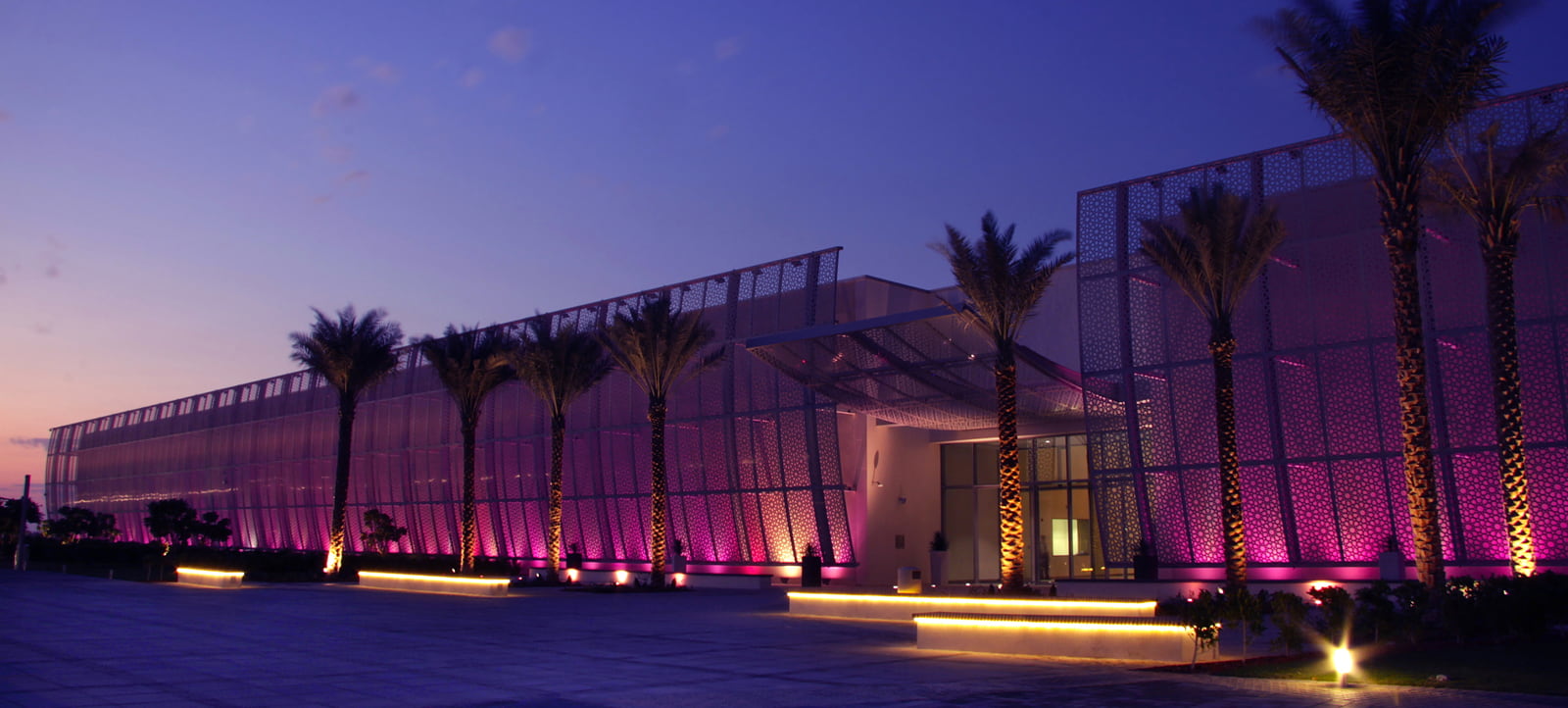
As a complement to JAX, the storied Al Mousa Center offered an intimate counterpoint, having transformed from a once-bustling 1980s shopping arcade into an arts colony over decades. Its narrow corridors mixing still-active perfumeries and tailoring shops with artist studios and galleries captured the grassroots creativity of Riyadh. Here, long-standing local galleries as well as forthcoming art spaces conducted solo retrospectives and thematic group shows to foster AWR’s sustained focus on coverage narratives in the art ecosystem.
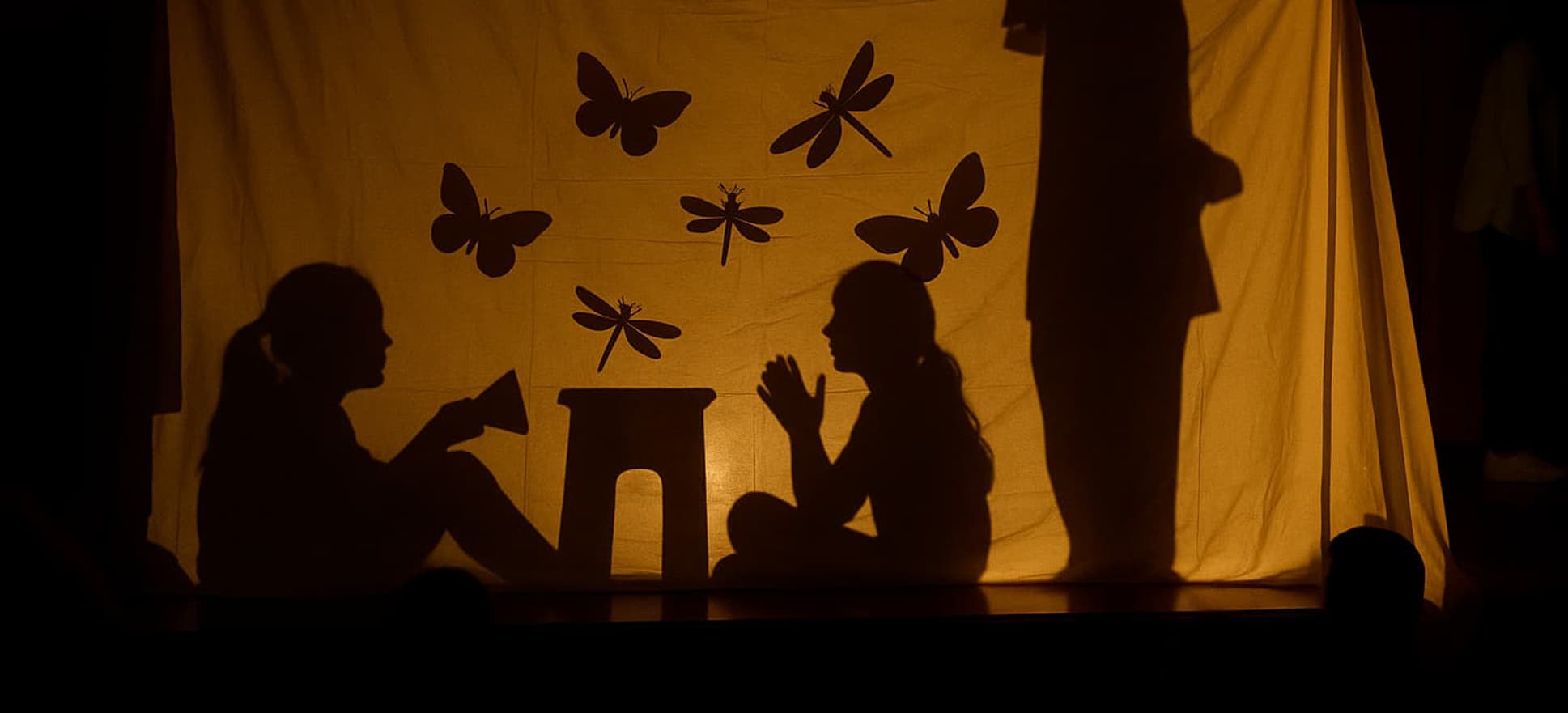
The city was further empowered with open studios, public installations, film and moving-image screenings, symposiums, and workshops during Art Week Riyadh. From the Royal Institute’s traditional craft masterclasses to late-night sound-and-light performances among the city’s historical architecture, the festival integrated art into the urban landscape—inviting both seasoned connoisseurs and newcomers curious to explore.
Curatorial Strategy and Thematic Analysis
The backbone of AWR’s success was its curatorial structure. Her Excellency Dr. Vittoria Matarrese, her team of associate curators, and a public program curator conceived of “At the Edge” as an investigation into various forms of borders—physical, cultural, or psychological. This modulating approach appeared in the main exhibition’s three parts:
Ordinary actions, such as rituals and interactions, often go unnoticed, yet they hold aesthetic and social value. They included domestic scenes captured in painting and photography, as well as participatory installations celebrating communal rituals and everyday actions. Some Saudi artists utilized found materials and archival imagery to contemplate memory, family narratives, and evolving gender identities.
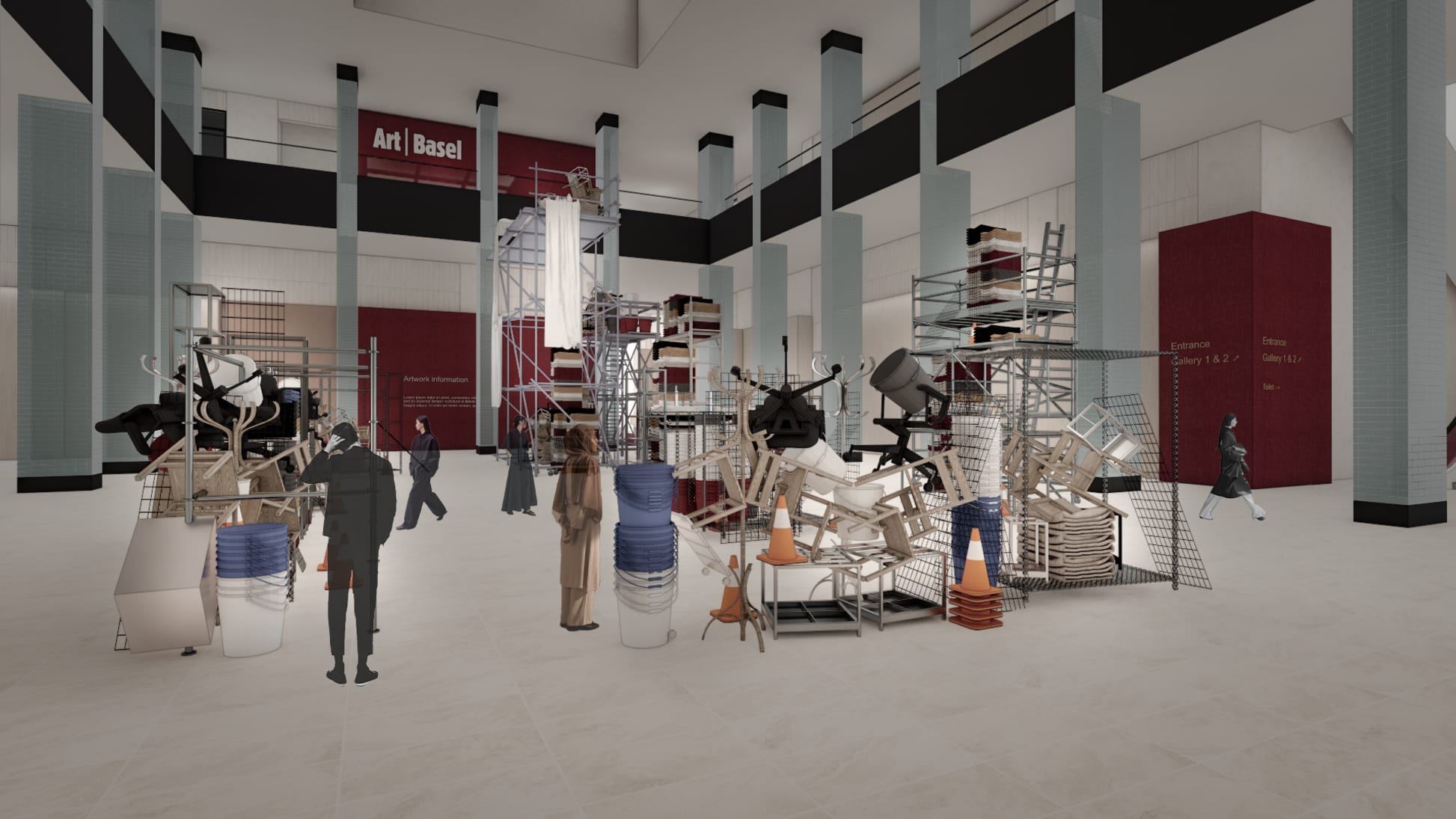
Landscapes turned the gaze outward to include the desert, urban skylines, and environmental issues. Saudi and international artists collaborated on sculptural installations that incorporated natural and industrial waste to critique development, ecology, and the contentious regions between constructed and living worlds.
Motifs focused on calligraphy and geometric patterns associated with religious symbols and sacred art—how these emblematic shapes are reinterpreted and rearranged. Here, abstract painters dealt with Islamic ornamentation, while multimedia artists examined how motifs cross temporal and spatial boundaries and transmit culture across different times and mediums.
Such an organized structure enabled separate galleries to add distinct chapters to a bigger narrative. Some participants included well-known international galleries, prominent regional spaces, and Saudi exhibitors, all bound by the mandate to present works with aesthetic and conceptual value rather than mere commercial appeal. Still, without the distraction of commercially driven booth fees and with an emphasis on loans, an environment where creative experimentation and lively curatorial conversation flourished was created.
Among countless highlights, several presentations drew particular attention:

Wael Shawky’s oil-on-carved wood panorama depicting a historic pilgrimage route captured the eye with the care and tenderness of craftsmanship artistry blended with collective memory with its epic proportions and layered iconography of the work. The piece sustained engagement during the week that focused on art that connects the past with the present, reinforcing the commitment toward art that connects the past and present.
What We Carry—Both Materially and Emotionally. Centered around this idea are Maha Malluh’s x-rayed composition photographic studies of personal possessions, akin to baggage scans that lay bare self-image. Her brilliant prints, starkly contrasted against white walls, forged a dialogue on concealment and visibility.
Gargash’s architectural photography captured the shimmering light as it fell upon the fragile pieces of heritage she constructed, drawing attention to the dance between light, memory and heritage. With large-scale photographs mounted directly onto mirrors, it allowed Gargash to extend the invitation to thoughtfully consider the relationship of these pieces in a light-drenched world.
Bani Abidi, Zineb Sedira, and Theaster Gates were among the numerous artists whose works were featured in the Moving Image Pavilion, where ten video pieces were put on display. Posed on two separate screens, the films and projections examined various topics, such as the flow of civilization, the alteration of state boundaries, and social change. The works added a reflective layer to the mostly object-centered showcases.
Kader Attia’s installation, a shard-filled mirror placed in a passage that connects two First Nations halls, provided an enhanced experience as one layer of gaze was placed upon another. This space, flooded with light, acted as a source of both vulnerability and strength simultaneously. Due to the structure’s immense size, viewers had the opportunity to move around and become a part of it.
Satellite Inscription Program: Al Mousa Center and Other Places
The intricate gallery layout at Al Mousa Center harshly met JAX’s spacious, hall-filled exhibition with contrasting emotions.
In this gallery, one of the most captivating exhibitions was
Recycling elements from ancient Saudi houses, Ahlam Gallery’s installation created a memory of sorts by transforming pieces such as wall tiles fashioned in colorful patterns with wires and screens glued into them, sculpting a balance between the speed of modern techno-society and collective nostalgia.
Errm Gallery’s group show compiled work that showcased industrial design on decorative and usable items, such as fabrics, ceramics, and jewelry, to celebrate artistry fueled by historical roots rather than functional craft.
Artists’ studios scattered across Al Mousa opened for short informal lectures and step-by-step guides. Guests moved through the narrow streets, where emerging artists were busy painting, sculpting, and printing, fostering a sense of artistic closeness.
Other parts of the city included the Royal Institute of Traditional Arts, which also held classes in calligraphy and textile tapestry weaving; independent galleries held performances at night; public venues hosted big mural and projection events; and so on. These activities as a whole supported the AWR goal of prose art in non-traditional spaces and to a larger audience.
Al Mousa’s studio reported an extensive range of public participants during the reception, including art collectors, curators, artist critics, foreigners, students, and many others who were first-timers. Free tickets, information sessions, and tours made the event accessible for everyone, changing perceptions of modern art. It’s no surprise that more young Saudi Arabians, a group that has recently emerged and shown a large interest in visual art, added to this undervalued excitement.
According to the reports from local galleries, a new group of Saudi collectors has made purchases, which indicates a noticeable change in the patterns of patronage. Private buyers, who once funded massive public art commissions or helped burgeoning artists, started to buy pieces for private collections, which indicates a growth in the domestic art market. At the same time, a few regional and international collectors pointed out the quality of the works on loan, hinting that Riyadh is on track to compete with the more established art destinations of Dubai and Abu Dhabi.
AWR’s hybrid model received praise from critics. It functioned almost like an art fair, avoiding the sales pressure usually associated with such commercial activities. Galleries appreciated that the commission handled booth and logistical costs, allowing them to focus on showcasing the artwork rather than worrying about profit. Observers noted the mercantile spirit’s absence made it much easier for artists, curators, and audiences to engage in dialogue, which nurtured new ideas rather than being hard-sold to.
First-time attendees—gallerists, museum directors, and art consultants—were amazed at how Riyadh has developed culturally in such a short span of time. A good number of them remarked that the week presented a layered depiction of Saudi Arabia’s inventive spirit, as it is in the traditions of the region, but it knows what is happening in the contemporary global world. Art Week Riyadh showcases and receives praise for its unique blend of local heritage and international influences.
Art Week Riyadh marks a primary flagship project of the Vision 2030 cultural plan for the Kingdom, which aims to rally the economy, improve the quality of life, and increase Saudi’s influence globally through the creative domains. AWR brings together leading galleries, artists, and collectors under a single theme, which in turn nurtures the growth of the local art ecosystem alongside allied services such as hospitality, publishing, and education.
Additionally, AWR’s success has been a strong motivator for policy debates on deregulating the taxation of art imports, providing infrastructural support for cultural tourism, and other imports. The model adopted by the commission, which covers the logistical costs of Art Week Riyadh and focuses on the integrity of the art curation, has shown how blended public and private funding can nourish the art scene. With the changes to regulations concerning the issuance of permanent gallery licenses, customs, and other bureaucratic processes, Riyadh Art Week in the future might intend to broaden its scope and diversity and even add a commercial pavilion if the market allows.
In the eyes of AWR’s organizers and curators, the future holds further possibilities for the integration of digital art, immersive media, and interdisciplinary art collaborations. There are plans to scale up educational outreach programs aimed at schools and universities to foster a greater appreciation of art from a young age, thereby embedding it in the national curricula. Strategic partnerships with international biennial frameworks, museums, and art fairs are in anticipation of strengthening Riyadh’s emerging identity as a world capital for art.
Art Week Riyadh 2025 stood out as one of the hallmark events of the Saudi art world, marking yet another advancement in the cultural development of Saudi Arabia and, at the same time, serving as a manifestation of Vision 2030. AWR, particularly through its main exhibition, the evocative satellite program at the Al Mousa Center, city-wide activations, and initiatives for public engagement, surpassed the boundaries of an art fair, encapsulating a complete celebration of creativity. It was a platform to harness the artistic potential of the kingdom, open new paths of patronage, and foster cultural exchange.
The first Art Week Riyadh showcased the astonishing reality that with bold foresight, strategic funding, and a spirit of partnership, a budding art market can attain seamless international standards almost overnight. It sparked hope and inspiration among a diverse spectrum of artists, collectors, institutions, and the general public alike, which is bound to transform into something fruitful in the future. With Riyadh developing and transforming into a bustling cultural city, Art Week Riyadh will be remembered as the event that ignited the creative side of the country and catalyzed Saudi visual arts into the global arena.


Leave a Reply