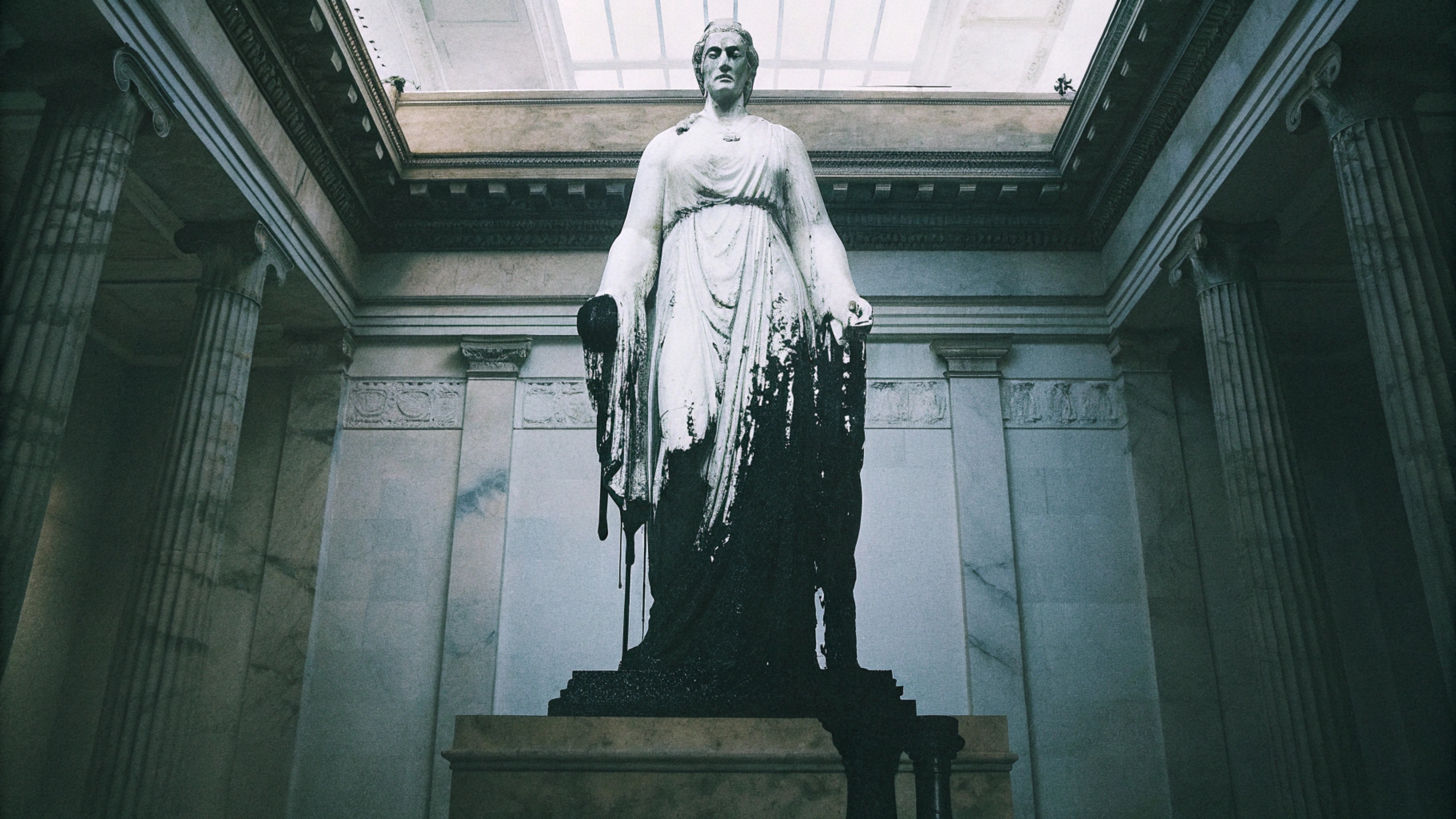
A palpable tension now animates the UK arts sector, a fraught space where cultural ambition and ethical integrity engage in a delicate, often uncomfortable, dance. This long-simmering debate was recently thrust back into the spotlight by a letter in the Financial Times, a bold apologia for the role of corporate funding penned by the leadership of Sadler’s Wells and publicly endorsed by a formidable coalition of institutions, including the British Museum, the V&A, and The National Gallery. The letter presents corporate partnership not as a necessary evil, but as a “proactive choice” that fuels innovation and expands reach. Yet, this confident assertion arrives precisely one year after the sector was rocked by the Baillie Gifford controversy, which saw the investment firm’s connections to fossil fuels and Israel-implicated industries lead to a dramatic severing of ties with numerous literary festivals. The ensuing discourse has fractured the landscape, revealing a deep chasm between those who view corporate cash as an essential lifeline in a precarious economy and those who see it as a corrupting influence that compromises the very soul of the arts. This article delves into the commentary surrounding this schism, analyzing the arguments that both champion and challenge the role of corporate sponsorship in the arts today.
The Ethical Gauntlet of Corporate Sponsorship in the Arts
The crux of the current controversy lies in a fundamental question of values. For a growing chorus of activists, artists, and even some institutional leaders, the source of funding is inextricably linked to an organization’s moral and social standing. The argument is no longer simply about the potential for corporate partners to influence programming but about the reputational damage and ethical dissonance that arise from accepting money from industries deemed harmful. The furor surrounding Baillie Gifford’s investments crystalized this sentiment, transforming abstract ethical concerns into tangible consequences as festival after festival faced intense pressure to divest.
This sentiment is perhaps most clearly articulated by Maria Balshaw, the director of Tate, a notable non-signatory to the Financial Times letter. Her critique of the British Museum’s £50 million deal with fossil fuel giant BP is direct and aimed at the heart of the matter: public perception. Balshaw’s assertion that “the public has moved to a position where they think [the deal] is inappropriate” suggests a crucial shift in the cultural zeitgeist. It implies that the “social license” for such partnerships is expiring and that institutions clinging to them risk appearing anachronistic and out of touch with the very communities they purport to serve. This perspective is bolstered by the sustained campaigns that have targeted institutions like the Science Museum Group for its associations with both BP and the Adani Group. The museum’s terse response that the letter advocating for sponsorship “speaks for itself” does little to quell the criticism, instead reinforcing the perception of an institutional world closing ranks against public sentiment.
Conversely, the decision by the National Galleries of Scotland to stand by Baillie Gifford demonstrates that the sector is far from monolithic in its response. This stance represents a calculated risk, a belief that the tangible benefits of the funding outweigh the potential reputational fallout. This polarization reveals a sector grappling with its identity in an age of heightened social and political consciousness. The ethical debate is no longer a fringe concern but a central, divisive force, forcing institutions to navigate a treacherous landscape where financial pragmatism and moral accountability are often in direct opposition. The controversy thus moves beyond a simple financial transaction, becoming a referendum on what an arts institution should stand for in the 21st century.

Navigating the Future of Corporate Sponsorship in the Arts
Against this backdrop of ethical turmoil, the defenders of corporate partnerships articulate a robust, pragmatic counter-narrative. The letter from Alistair Spalding and Britannia Morton of Sadler’s Wells is a masterclass in this form of advocacy. They reposition corporate funding not as a compromise, but as a strategic enabler of core artistic missions. Their claim that “partnering with businesses ensures our work goes further and has a greater impact” is a powerful appeal to ambition. In their view, this funding is the catalyst for “growth, ambition, and risk-taking”—the very elements that prevent cultural stagnation. This is not the language of reluctant acceptance but of enthusiastic embrace.
Crucially, the letter argues for a form of engaged realism, contending that, “Our museums, theaters, festivals, and artists need to operate within the economic structures in which society operates.” This statement is a direct challenge to critics, framing the refusal of certain funds as a retreat from the complexities of the real world. By engaging with corporations, they argue, arts organizations are not merely taking money; they are participating in the broader societal dialogue and connecting with the entities that “shape how we live.” While they are careful to note that corporate sponsorship “can never provide a replacement for public funding,” their argument elevates it to a vital and virtuous component of a diversified funding model. This perspective asks a provocative question: Can the arts truly imagine, let alone build, different futures if they refuse to engage with the dominant economic forces that govern the present?
This very question illuminates the divergent perspectives on the role of protest. Arts communications specialist Martin Prendergast offers a nuanced view, expressing support for the protesters’ causes while questioning their methods. His statement, “For me the causes are right but the targets are wrong,” suggests a strategic redirection of activist energy. He posits that arts institutions are not the ultimate source of the problem but are, like artists themselves, in need of resources “to imagine different futures.” This perspective frames the arts organization as a fellow victim of a flawed system, rather than a willing accomplice. In stark contrast, creative producer Naomi Russell champions the disruptive power of protest as a fundamental engine of progress. “I think protest and resistance drive change, and historically this has great precedent,” she states, acknowledging that such change is inherently “uncomfortable for the powers and established structures.” For Russell, the discomfort is not a side effect; it is the entire point. It is the necessary friction that forces institutions to re-evaluate their positions and align their practices with evolving ethical standards.
In conclusion, the UK arts sector finds itself at a profound and consequential crossroads. The debate over corporate sponsorship in the arts is far more than a squabble over balance sheets; it is a battle for the sector’s identity. The starkly different positions—from the V&A and British Museum’s defense of corporate ties to Tate’s public skepticism and the confrontational activism of protestors—illustrate a landscape defined by deep ideological fissures. There is no easy path forward. The pragmatic arguments for funding innovation and expanding reach are compelling, particularly in an era of shrinking public investment. However, the ethical arguments against complicity with controversial industries resonate powerfully with a public increasingly attuned to issues of social and environmental justice. The ultimate resolution, if one is even possible, will require more than just carefully worded letters or strategic partnerships. It will demand a searching institutional introspection into the fundamental purpose of art, its relationship to the economic systems that sustain it, and its ultimate responsibility to the public it serves.





Leave a Reply