Last updated on September 9th, 2024 at 05:17 pm
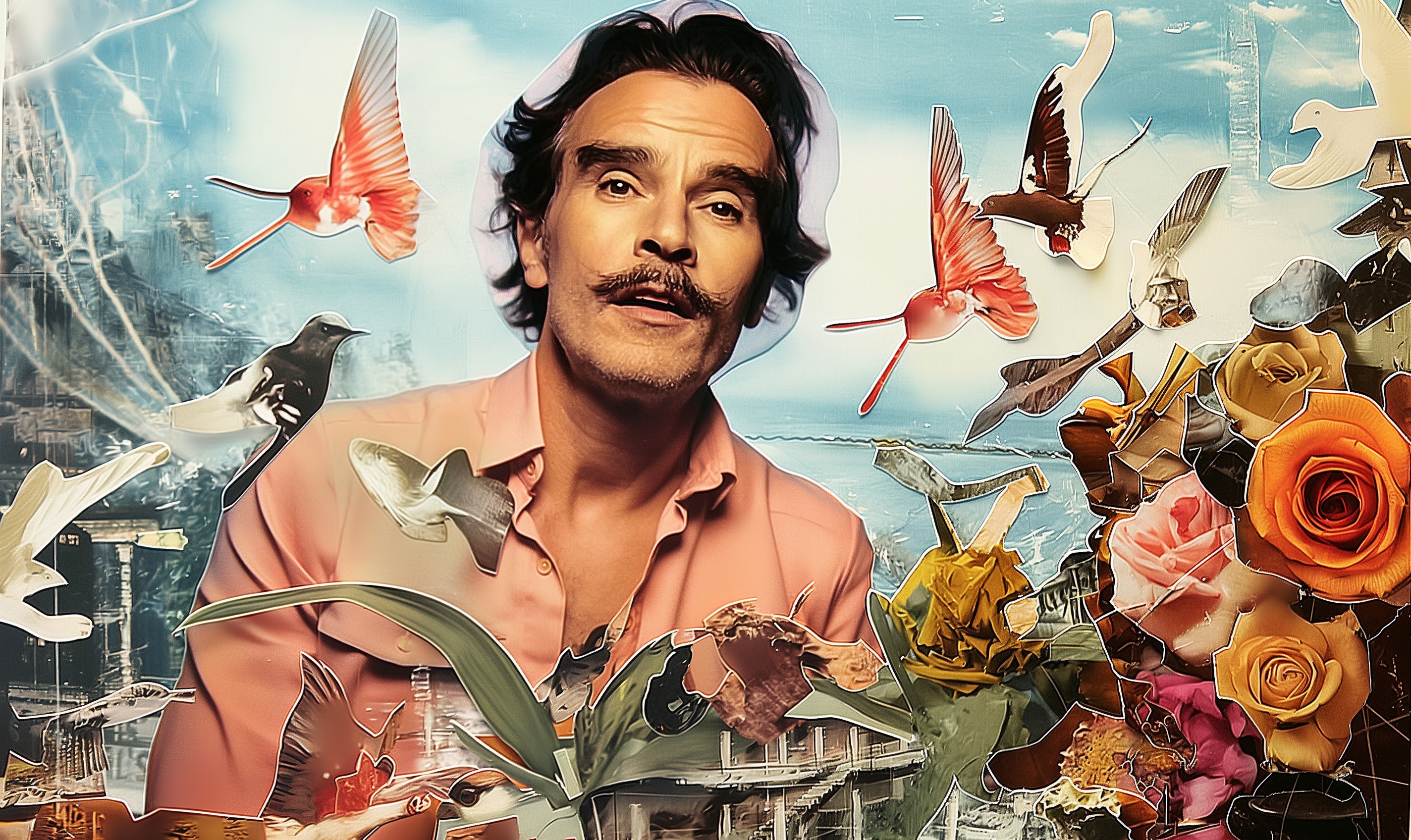
David LaChapelle stands as one of the most provocative and influential photographers of our time, continuously pushing the boundaries of art with his unique blend of fine art, fashion photography, and pop culture. His work, characterized by vibrant colors, surreal compositions, and provocative themes, challenges societal norms and sparks intense debate among art enthusiasts and photographers alike.
LaChapelle’s journey into the world of photography began in the 1980s when the iconic Andy Warhol discovered his talent and offered him a job at Interview magazine. This introduction to the art world set the tone for LaChapelle’s future endeavors, where he would continually blur the lines between commercial and fine art. His work quickly gained attention for its distinct blend of fantasy and reality, often drawing on influences from Renaissance art, pop culture, and street life. His photographs are intricate narratives filled with symbolism and layered meanings, often sparking controversy by confronting viewers with provocative themes.
One of LaChapelle’s most contentious projects is the “Jesus is My Homeboy” series. This collection of photographs reimagines biblical scenes with modern-day characters and settings, blending sacred imagery with elements of urban culture. While some praised the series for its bold commentary on religion and inclusion, others accused LaChapelle of blasphemy and disrespecting religious iconography. This ignited widespread debate about the role of art in addressing spiritual themes and the limits of artistic freedom.

Another highly debated work is his “Rape of Africa” series, featuring supermodel Naomi Campbell in a surreal depiction of the exploitation of Africa’s natural resources. The images are rich in symbolism, with Campbell portrayed as a gold-covered goddess amidst scenes of destruction and greed. While LaChapelle intended to raise awareness about the exploitation of African resources and the impact of colonialism, critics argued that the series risked trivializing the very real and severe problems it sought to highlight by using a glamorous supermodel to depict such a serious issue.

LaChapelle’s portraits of celebrities are another significant source of controversy. His raw and often unsettling depictions of stars like Michael Jackson and Britney Spears challenge the conventional glamour associated with celebrity photography. His portraits reveal a raw, sometimes grotesque side of fame, stripping away the veneer of perfection to expose vulnerability and humanity. While some view these portraits as powerful commentaries on the pressures of celebrity, others see them as exploitative, capitalizing on the personal struggles of these figures for artistic gain.
In addition to his photographic work, LaChapelle has made significant contributions to music videos and film. His direction of music videos for artists such as Christina Aguilera and Britney Spears showcases his ability to translate his bold visual style to the moving image. These projects often push the boundaries of conventional music video aesthetics, incorporating elements of fantasy and surrealism that are quintessentially LaChapelle. His 2013 film, “Heaven to Hell,” is a visual feast that blends religious iconography, pop culture references, and surreal landscapes to explore themes of sin, redemption, and the afterlife. While praised for its bold artistic vision, the film also faced criticism for its graphic and often disturbing imagery.
Despite the controversies, LaChapelle’s work continues to captivate and provoke. His fine art exhibitions, such as “Earth Laughs in Flowers” and “Land Scape,” showcase his ability to blend beauty with commentary. In “Earth Laughs in Flowers,” LaChapelle uses floral arrangements to explore themes of life, death, and rebirth, drawing on the rich tradition of still-life painting while infusing it with contemporary relevance. “Land Scape” critically examines industrial landscapes, using intricate sets and vivid colors to highlight the impact of human activity on the environment. These works are not merely photographs; they are complex narratives that challenge viewers to reflect on the world around them.
LaChapelle’s fashion photography is equally groundbreaking. His work for major fashion magazines like Vogue, Vanity Fair, and GQ defies conventional norms, turning each shoot into a fantastical tableau. His collaboration with designers and brands such as Diesel, H&M, and Maybach exemplifies his ability to blend commercial appeal with artistic vision, resulting in campaigns that are both memorable and influential. One iconic example is his portrait of Naomi Campbell from the “Rape of Africa” series, which combines high fashion with potent social commentary.LaChapelle’s philosophy towards his work is rooted in a desire to use art as a means of exploring and understanding the human condition. He often speaks about his belief in the transformative power of art and its ability to provoke thought and inspire change. In discussing his approach, LaChapelle has said,
“I want my images to make people feel something. I want them to question what they see and think about the world in a different way. Art should be a mirror that reflects society, but it should also be a hammer that shapes it.”
This statement encapsulates his dual commitment to beauty and substance, illustrating his belief that art can both reflect and influence societal norms.
In recent years, LaChapelle has shifted his focus somewhat, moving away from the commercial work that made him famous to pursue more personal and introspective projects. His later work, while still visually striking, often carries a more reflective and spiritual tone, exploring themes of redemption, transformation, and the search for meaning in a chaotic world. These pieces offer a more contemplative and nuanced exploration of the human experience.
David LaChapelle’s legacy is one of bold innovation and fearless exploration. His photographs invite us to see the world through a different lens, one that is unafraid to challenge the status quo and push the boundaries of what is considered acceptable in art. Whether you love or loathe his work, there is no denying that LaChapelle has left an indelible mark on the world of photography, making him one of the most intriguing and controversial artists of our time. Through his fearless creativity and deep philosophical engagement, LaChapelle continues to push the boundaries of what photography can achieve, challenging us all to question our perceptions and consider the deeper meanings behind the images we consume.

Leave a Reply