Last updated on September 9th, 2024 at 05:03 pm
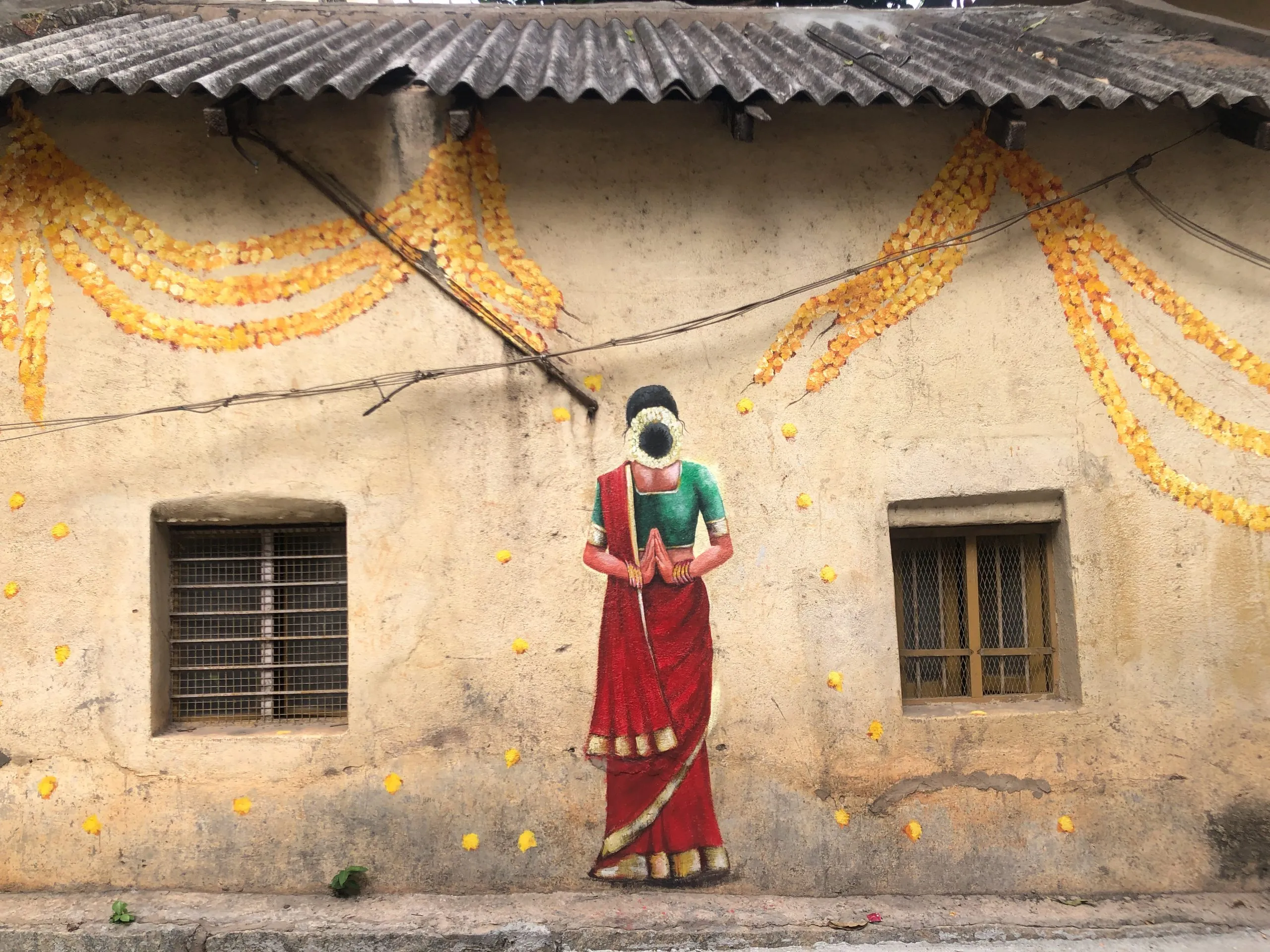
The murals in the heart of Mumbai’s Sassoon Dock, a historic site over 140 years old, narrate stories about the sea and the Koli fishing community. From what was once an ignored part of town, this dock has been rejuvenated into a vibrant public art space that reveals how creative interventions can change cities. However, this success story also illustrates some of the general problems faced by public art and art interventions in India which include bureaucratic processes, limited funding resources and societal challenges.
Public art is at a critical crossroads in India as artists’ visions clash with urban planning realities and popular sentiment. These obstacles have been compounded by rapidly increasing urbanization and changing political landscapes, asking tough questions about public art’s place in society, its creation process and its ability to connect to different audiences.
This article delves into such crises as well as solutions within Indian public art and artistic interventions using instances from throughout the country to demonstrate both hurdles as well as innovative measures taken to address them. From pioneering attempts like Lodhi Art District in Delhi to local efforts in cities such as Pune or Bengaluru , Indian narrative of public art revolves around resilience , innovation and constant dialogue between tradition and modernity.
Crises: Navigating Bureaucracy And Public Perception
In India’s vast urban fabric, there is often a conflict between public art production with complex official structures. Artists interested in putting up installations on public spaces find themselves entangled within webs of permissions from various government bodies with varying rules that many times contradict each other. This prestigious event that has turned Kochi city into an international center for contemporary arts constantly faces issues brought about by bureaucracy. The organizers can spend months securing permits but still face last minute difficulties that may endanger completion of projects.
Another major challenge here is money matters; while most funds are allocated for “practical” urban development schemes through which we have seen growing investments for beautifying our towns , public art is left behind. Government grants remain rare and corporate support is still in its infancy. This often puts artists in a Catch-22 where they have to show an impact to get funding but still need the money to produce their intended pieces. Thus, this dilemma stifles creativity and restricts the range of potential projects.
Public perception and acceptance are equally challenging. Art can divide people in culturally diverse countries like India. The recent controversy over M.F.Husain’s murals in Delhi exemplifies how fickle public art debates can be, with calls for these works to be brought down sparking outrage. Instead of inciting reflection and conversation, these masterpieces provoked a backlash that questioned the very concept of artistic freedom itself.
Solutions: Innovation And Community Engagement
However, there is some light at the end of the tunnel as far as Indian public art landscape is concerned. Innovations and active participation from communities are among ways that promise a new beginning amidst such crisis contexts.
Public-private partnerships offer some of the most compelling solutions to this problem. The St+art India Foundation has been at the forefront of this initiative, working with municipal authorities and corporates to bring art into public spaces. Transforming Lodhi Art District in Delhi into India’s first public art district is one example of its success. Forging a common interest among artists, funders and the government helped St+art India to cut through red tape and access resources for creating permanent public art.
The Lodhi Art District is an urban regeneration project that revamped the unremarkable walls of Lodhi Colony in Delhi into a vibrant open-air gallery. More than 50 murals have been created by artists from all over the world on different themes including environmental preservation and social justice. It became not only a beautiful district but also turned it out as cultural attraction attracting both locals and tourists alike. This stands as an example of how public art can be used to improve our towns leading to community pride.
Pune Biennale Foundation has converted Pune into a living canvas where local & foreign artists are invited to interact with its built environment successfully. Their programs such as ‘Let’s Paint Pune’ aim at touching social issues like gender disparity and environmental conservation besides beautifying the cityscape further. This linking up of artwork with social messages has shown efficacy by winning public opinion while reducing resistance.
Another important aspect is community participation. Projects that involve local communities from inception tend to receive less opposition and create a sense of ownership for people living within these areas. Aravani Art Project engages transgender communities in painting murals across India is illustrative of such efforts. By providing marginalized voices with platforms, this effort creates essential conversations about inclusivity and representation through beautifying urban spaces.
The Wall Of Peace was another remarkable mural painted by Kalki Subramaniam along with some transgender women in Chennai.This mural faced initial rejection but eventually won wide recognition due to its powerful and positive impact.
The role of technology also cannot be overemphasized. Through digital platforms, artists can put their work on display, source for funds and mobilize public opinion more efficiently. Virtual reality and augmented reality are revolutionizing the way people experience art by creating immersive environments that transcend physical space and bureaucratic constraints. The VR Museum of Lost Art is an initiative by Aparajita Jain, where users can explore digital reconstructions of lost or destroyed artworks showing the potential of technology in preserving and promoting art.
The Way Forward: Collaborative Effort
As India moves forward, the future of public art will depend on collaboration. Artists, policymakers, corporate players as well as communities must join hands to create an enabling environment for public art to flourish. Ensuring efficient bureaucracies, adequate funding mechanisms, community participation programs and leveraging technological advancements should be prioritized in this search for success.
Education and awareness are equally important too. There are initiatives such as ‘ArtReach India’ that work on bringing art into low-income communities and schools thus developing a culture appreciation from childhood. Integrating arts education with other subjects while embracing the value of art within everyday life could possibly create a friendlier atmosphere for this type of creativity available publicly.
The murals of Sassoon Dock, the rejuvenated Lodhi Art District and many more stand testament to what can happen when you bring creativity, collaboration and community together — they show that public art is still alive in spite of everything. In India’s bustling streets public art continues to make spaces for reflection, dialogue and transformation among all the noise, painting a brighter hue on the country’s rich tapestry.
Other Public Art Success Stories
The Delhi Street Art Project
The Delhi Street Art Project (DSAP) was started by Harsh Raman and the Delhi Street Art group with the aim of making art accessible to everyone. This has involved taking dull walls on government buildings, metro stations and underpasses around the capital and transforming them into vibrant murals. One particularly successful project saw local and international artists come together for an art intervention in Shahpur Jat – a historic urban village in South Delhi – where over 80 murals were created. Not only did this help beautify the area but it also instilled a sense of pride among locals while attracting tourists, showing how art can be used as a catalyst for community rejuvenation.
The Bangalore Art District
In Bengaluru, Phoenix Marketcity has become an important player within India’s public arts scene through initiatives like Whitefield Art Collective which see various spaces around its premises being turned into canvas’ for both Indian and international artists alike. The Collective also holds annual festivals where musicians come together with visual artists creating installations throughout different parts of town all centered around creativity; this shows just how much potential there is when people are brought closer together through shared experiences such as these ones here today! It’s projects like these which demonstrate that even in rapidly growing urban centres like ours communities need something more than just skyscrapers or shopping malls – they crave connection too!
Jaipur’s Art Hotel – The Pearl Palace Heritage
Hospitality has been redefined at Jaipur’s Pearl Palace Heritage hotel where each room is designed by local artists who showcase their work reflecting Rajasthan’s cultural heritage. This not only provides a platform for these creators but also draws international tourists which fuses tourism with cultural appreciation; it shows how integrating commercial spaces with artistic elements can create memorable experiences for guests while supporting the local economy at the same time through increased footfall into establishments such as this one here today!
The challenges facing public art and art interventions across India are immense but so too must be the solutions proposed to address them. From vibrant murals in Sassoon Dock to transformation projects taking place within Lodhi Art District, Delhi, Bangalore or Pune – all over India there has always been an aspect of resilience, innovation and community spirit when it comes down to creating something beautiful amongst adversity. As policy makers, corporate entities and communities collaborate together as one can only expect great things for what lies ahead with regards public art in India’s future citiescapes – they should be places that will inspire people from different walks of life to come closer than ever before around shared values like these ones here today! So let us never forget about those bright colours just waiting around every corner because no matter where you look at it whether through installations or paintings throughout our country they still remind us that we need time out sometimes even amidst all this chaos otherwise known as everyday living.
featured image courtesy :


Leave a Reply