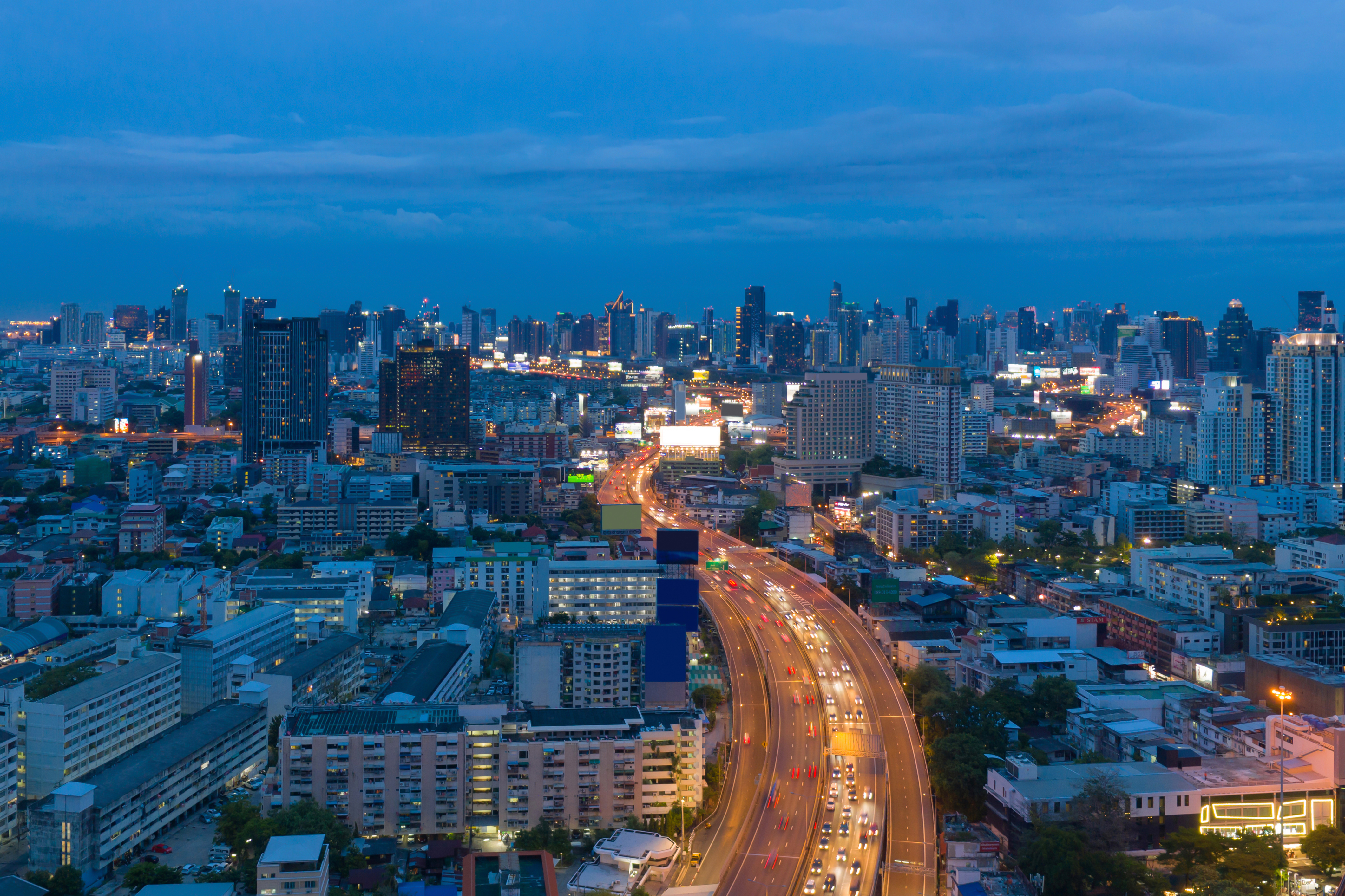
Nestled along the Chao Phraya River, Bangkok is a city that buzzes with life, culture, and creativity. Known for its vibrant street life and rich history, Bangkok is emerging as a contender in the Asian art scene. But what are the possibilities and prospects for Bangkok to establish itself as a premier art hub in Asia? Let’s explore the advantages, challenges, and competitive edges that shape its artistic landscape.
Bangkok, often referred to as the “City of Angels,” is a melting pot of cultures and traditions. The city’s history spans centuries, with influences from ancient Siam, Indian, Chinese, and European cultures. This blend is vividly reflected in its architecture, cuisine, and, increasingly, its art. Bangkok’s streets are a living canvas, where traditional Thai motifs merge seamlessly with contemporary graffiti, creating a dynamic and ever-changing urban landscape.
As Thailand’s capital and most populous city, Bangkok has long been a central point for commerce, education, and culture in Southeast Asia. In recent years, it has been transforming into a significant player in the global art scene. This transformation is not just about the proliferation of galleries and art spaces but also about the unique cultural synthesis that Bangkok offers. Traditional Thai art, known for its intricate designs and spiritual themes, is finding new expressions in contemporary forms, resonating with both local and international audiences.
Moreover, Bangkok’s role as a regional hub for tourism plays a crucial part in its potential as an art center. Millions of visitors are drawn to the city each year, eager to experience its rich cultural offerings. This influx of tourists provides a ready audience for art exhibitions and cultural events, helping to drive the growth of the local art market.
However, the journey towards becoming a leading art hub is fraught with challenges. The city’s infrastructure, while improving, still lags behind other established art centers. Art education needs further development to cultivate the next generation of artists and art appreciators. Political and social stability is another factor that can influence the growth and sustainability of Bangkok’s art scene.
Yet, it is these very challenges that make Bangkok’s art scene so unique and compelling. The raw, authentic energy of the city, combined with its affordability and emerging market potential, creates an environment ripe for artistic experimentation and innovation. Bangkok is not just following the paths of established art hubs but is carving out its own niche, characterized by a distinctive blend of tradition and modernity.
In this article, we will delve into the advantages that position Bangkok as a burgeoning art hub, the challenges it must overcome, and the competitive edges it holds over other Asian cities. Through the voices of local artists, gallery owners, and cultural commentators, we will explore the vibrant pulse of Bangkok’s art scene and its promising future.
The Vibrant Pulse of Bangkok’s Art Scene
Walking through the bustling streets of Bangkok, one can’t help but notice the flourishing art scene. From street art in the hip neighborhood of Thonglor to the established galleries in Silom, Bangkok is a city where creativity seeps into every corner. The Thai capital is home to a diverse range of art forms, including traditional Thai art, contemporary works, and a burgeoning scene of digital and multimedia art.
Bangkok’s art scene is characterized by its unique blend of the traditional and the contemporary. Temples and historical sites provide a backdrop of rich cultural heritage, while modern galleries and art spaces offer platforms for contemporary artists. This fusion creates a distinctive artistic atmosphere that is both rooted in history and brimming with modern innovation.
Advantages of Bangkok as an Art Hub
- Cultural Heritage and Diversity: Bangkok’s rich cultural heritage provides a fertile ground for artistic inspiration. The city’s history, traditions, and religious influences are reflected in the vibrant art scene. This deep well of cultural resources offers artists a unique palette to draw from, creating artworks that are both deeply personal and universally appealing.
- Historical Influence: Bangkok’s many temples, such as Wat Phra Kaew and Wat Arun, are not only tourist attractions but also sources of inspiration for many artists. The intricate designs and historical significance of these sites influence contemporary artworks, blending the past with the present.
- Cultural Festivals: Events like the Songkran Festival and Loy Krathong provide a vibrant, colorful backdrop that inspires artists to capture the essence of Thai culture in their works.
- Emerging Market Potential: Thailand’s growing economy and increasing interest in arts and culture make Bangkok a promising market for art. The city’s burgeoning middle class is becoming more engaged with the arts, leading to increased patronage and support for local artists. This emerging market potential attracts international galleries and art investors looking to tap into a new audience.
- Increasing Patronage: More Thai citizens are investing in art, attending gallery openings, and participating in art auctions. This shift is fostering a more robust local market.
- International Attention: The Bangkok Art Biennale, which began in 2018, has drawn international artists and visitors, highlighting Bangkok’s potential on the global stage.
- Government and Private Sector Support: Initiatives from both the government and private sector are bolstering Bangkok’s art scene. The Bangkok Art and Culture Centre (BACC) and the Thailand Creative & Design Center (TCDC) are key institutions promoting the arts. Additionally, private galleries and art festivals, such as the Bangkok Art Biennale, have gained international recognition, further elevating the city’s status in the art world.
- Institutional Support: The BACC hosts numerous exhibitions, workshops, and events that promote both local and international artists. It serves as a central hub for the art community in Bangkok.
- Private Sector Initiatives: Corporate sponsorships and collaborations with international art fairs and galleries are bringing more resources and visibility to Bangkok’s art scene.
- Affordable Living and Studio Space: Compared to other major Asian cities like Hong Kong and Singapore, Bangkok offers more affordable living and studio space. This affordability allows artists to experiment and create without the financial pressures that can stifle creativity. It also attracts artists from around the world looking for a place where they can live and work without breaking the bank.
- Artist Colonies: Areas like Chinatown and Bang Rak are becoming popular among artists for their affordable rents and vibrant community atmosphere.
- Creative Spaces: Numerous coworking and communal studio spaces, such as The Jam Factory and Warehouse 30, provide artists with affordable places to work and collaborate.
Challenges on the Path to Becoming an Art Hub
- Lack of Infrastructure: While Bangkok has made significant strides, the city still lacks some of the infrastructure needed to support a robust art ecosystem. There is a need for more world-class museums, art schools, and spaces dedicated to nurturing and showcasing young talent.
- Limited World-Class Museums: Unlike cities such as Tokyo or Seoul, Bangkok has fewer internationally recognized museums. Expanding these institutions is critical for attracting global audiences.
- Educational Facilities: Enhancing art education programs and facilities can foster future generations of artists and art enthusiasts.
- Limited Art Education: Art education in Thailand, particularly at the university level, is still developing. Expanding and improving art programs and fostering a culture of art appreciation from a young age are crucial steps in building a sustainable art scene.
- Curriculum Development: Schools and universities need to develop more comprehensive art programs that cover a wide range of disciplines and encourage critical thinking and creativity.
- Art Appreciation: Promoting art appreciation among the general public through educational programs and community initiatives can help build a more robust art market.
- Market Development: While the local art market is growing, it remains smaller compared to established art hubs. Building a stronger collector base and increasing local and international investment in Thai art are essential for long-term growth.
- Collector Base: Efforts to cultivate a local collector base through education and outreach are necessary to sustain the market.
- International Investment: Attracting more international collectors and galleries to Bangkok can help elevate the city’s status in the global art market.
- Political and Social Stability: Political instability and social issues can impact the art scene. Ensuring a stable environment where artists can freely express themselves without fear of censorship is vital for the continued growth of Bangkok as an art hub.
- Freedom of Expression: Artists must have the freedom to explore and express diverse themes and perspectives without fear of censorship or political repercussions.
- Stable Environment: A stable political and social environment is essential for fostering a thriving art scene.
Competitive Edge: Bangkok vs. Other Asian Art Hubs
Bangkok stands out among other Asian art hubs due to its unique combination of cultural richness, emerging market potential, and affordability. While cities like Hong Kong and Singapore boast more established art markets and infrastructure, Bangkok offers a raw, authentic, and vibrant art scene that is less commercialized and more accessible to a broader range of artists and audiences.
- Cultural Richness: Bangkok’s rich cultural tapestry offers a unique blend of influences that are not found in more homogenized urban centers.
- Affordability: The lower cost of living and working in Bangkok compared to other major cities makes it an attractive destination for artists and art entrepreneurs.
- Emerging Market: The growing interest in art among Thailand’s middle class and the influx of international attention give Bangkok a competitive edge as a developing market.
The Future of Bangkok’s Art Scene
Bangkok is on a promising path to becoming a significant art hub in Asia. The city’s rich cultural heritage, emerging market, and supportive environment for artists provide a strong foundation. However, addressing challenges related to infrastructure, education, and market development will be crucial for sustaining growth.
As Bangkok continues to evolve, its art scene offers a unique blend of the traditional and the contemporary, creating a vibrant and dynamic landscape that captivates both locals and visitors alike. With continued support and investment, Bangkok has the potential to establish itself firmly on the global art map, celebrating creativity in all its diverse forms.
Personal Stories: Voices from Bangkok’s Art Scene
To truly understand Bangkok’s artistic renaissance, it’s essential to hear from the artists themselves.
- Anucha Boonmee, a local artist who started as a street artist in the bustling markets, now showcases his work in prestigious galleries. He reflects, “Bangkok’s energy is infectious. It’s a city that never stops inspiring me. The blend of old and new, the chaos and calm, all find their way into my art.”
- Nicha Wattanakorn, a gallery owner, shares her perspective: “Bangkok is becoming a focal point for art in Southeast Asia. The support from both the community and international investors has been incredible. We’re seeing a real shift, and the future looks bright.”
- Kanokwan Buranabanyat, a young digital artist, appreciates the city’s openness to new media: “Bangkok is not just about traditional art. There’s a growing community for digital and multimedia art here. The city is adapting and evolving, which is exciting for artists like me.”
These personal stories underscore the transformative power of art in Bangkok, highlighting the city’s potential to become a thriving hub where creativity and culture converge. The voices of these artists and art professionals paint a vivid picture of a city on the brink of an artistic renaissance, ready to claim its place as a leading art hub in Asia.


Leave a Reply