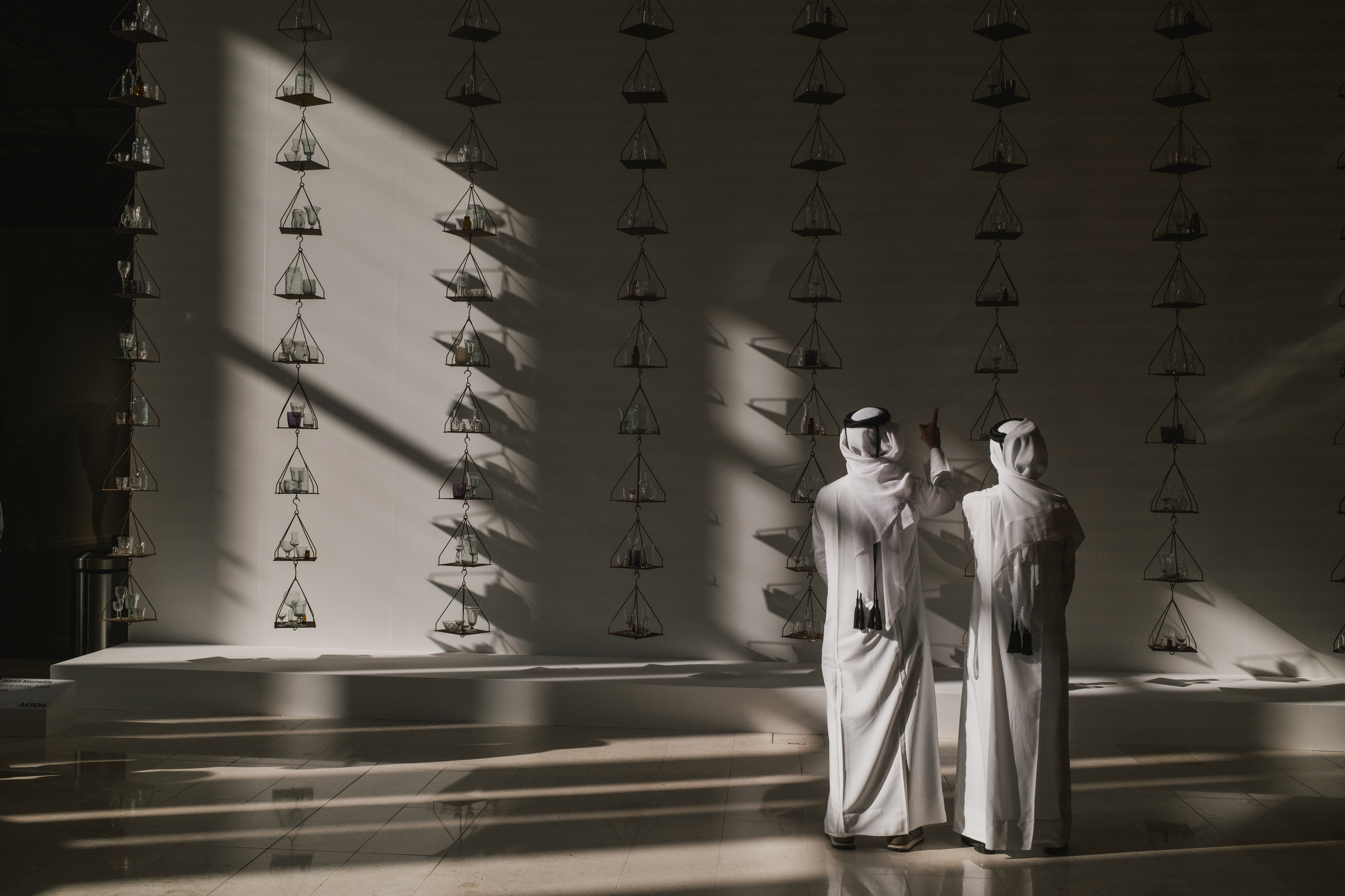
The opening of Art Basel Qatar 2026 marks a turning point in the global art world, as the long-running fair expands into the Middle East, North Africa, and South Asia (MENASA) region. For art collectors who are aware of changes in global culture, this first edition, which will take place from February 5 to 7, 2026, in Doha’s Msheireb Downtown, is more than just a place to buy art; it’s also a place to talk about how contemporary art is changing. The fair combines business needs with educational and conversational elements, building on Qatar’s long history of investing in cultural infrastructure. This could change how investors think about putting money into markets that don’t get enough attention.
A look at Art Basel Qatar 2026

Art Basel Qatar 2026 brings together 87 exhibitors from around the world, focusing on 84 artists, more than half of whom are from the MENASA region. The fair is different from other fairs because it focuses on solo artist presentations across M7 and the Doha Design District. This creates a quiet space that encourages collectors to get more involved. Curated by Artistic Director Wael Shawky and Chief Artistic Officer Vincenzo de Bellis, this structure, which is based on the theme “Becoming,” encourages people to interact with the artworks over time so that collectors can see how artistic practice has changed over time. For example, the format slows down the fast pace of traditional fairs, which helps people make better decisions about purchases that may go up in value as interest in the region grows. Implications also include portfolio diversification: collectors who usually focus on Western markets might see MENASA works as a way to protect themselves from market swings, since Qatar’s cultural investments are stable.
At the Museum of Islamic Art (MIA), Jenny Holzer’s huge commission, SONG, will be revealed at Art Basel Qatar 2026. This is one of the most exciting parts of the event. This installation, which is only for this site, shows bilingual texts from poets Mahmoud Darwish and Nujoom Alghanem on the museum’s facade. It also features a drone performance during its first showing. Holzer’s work is a good example of how the fair combines public art with collectible practices, making it hard to tell the difference between temporary experiences and permanent assets. Because the piece is similar to Arabic literary traditions, it could make people want more text-based conceptual art from the region, which could change how auctions work. In addition, the fair’s Special Projects program, which includes ten commissions, highlights the potential for site-responsive investments, where collectors could hire artists to make similar works for private estates, balancing aesthetic and cultural capital. It’s important to think about edge cases, like how to deal with export rules for MENASA-sourced pieces, as well as how Qatar’s museum acquisitions have historically raised artist valuations.
The 10 Best Booths at Art Basel Qatar 2026 | Artsy The Artistic Direction and Theme in Art Basel Qatar 2026
The theme of “Becoming” at Art Basel Qatar 2026 shows that the fair’s design is changing on purpose, putting conversation ahead of transactions. Shawky’s vision sees the event as an educational ecosystem, where market activities and knowledge production happen at the same time. This is great for collectors who want to know more about the history of the items they buy. This approach encourages examination of how emerging MENASA artists, particularly those in solo exhibitions, may engage with global canons, providing collectors with opportunities to cultivate collections that foresee market development. One of the fair’s subtleties is its multi-site layout, which spreads out foot traffic and makes it less competitive for high-value pieces. However, this may make it harder for international visitors to find their way around. Related factors include the bigger picture for cultural diplomacy: by linking Qatar’s art with Art Basel’s network, collectors could use their connections to get exclusive previews, which would increase the long-term value of their collections.
Partnerships and sponsors are shaping Art Basel Qatar 2026.
Strategic partnerships, such as Qatar Sports Investments (QSI) and QC+, as well as Lead Partner Visit Qatar and Premium Partner Qatar Airways, help Art Basel Qatar 2026. These partnerships make the fair bigger and better, giving collectors travel and hospitality benefits that make it easy for them to participate. For instance, Qatar Airways’ global network could make it easier for wealthy people to get to Doha, and Visit Qatar’s focus on cultural tourism makes the city an art investment hub. As Global Lead Partner, UBS and other sponsors show that institutions have faith in the project, which could help stabilize market perceptions during times of economic uncertainty. Collectors should pay attention to how sports and culture interact in QSI’s portfolio. This is similar to the legacy of the FIFA World Cup 2022, and it could lead to new trends in collecting across different fields, like art-sports memorabilia hybrids. Edge cases include ethical questions about sponsorships that are connected to government entities, which require careful consideration to make sure that purchases are in line with personal values.
m.thepeninsulaqatar.comQatar Airways is the official sponsor of the first Art Basel Qatar 2026.
What Art Basel Qatar 2026 Means for the Art Market.
Art Basel Qatar 2026 is more than just a place to buy art; it also signals bigger changes in the market. It brings MENASA stories into the global conversation and could shift collectors’ attention away from established hubs like Basel or Miami Beach. This debut could cause prices to rise for artists in the area, as has happened in the past when new fair editions (like Art Basel Hong Kong) boosted local markets. For collectors, this means that they should think about diversifying their portfolios by putting some of their money into MENASA works. This could lower the risks of investing in areas that are already full while also promoting cultural exchange. There are differences in how things are valued, and the provenance from this fair could make things worth more at future auctions. Sustainability is one of the related issues; Qatar’s cultural investments focus on long-term growth. Geopolitical factors, like regional stability affecting art mobility, are also important. In the end, Art Basel Qatar 2026 wants collectors to imagine a more open art market, where buying art is more than just making money; it is also about taking care of culture.
In short, Art Basel Qatar 2026 not only broadens the horizons of collectors, but it also makes them rethink how art works around the world. It gives smart collectors a way to innovate and build a legacy in a changing world.


Leave a Reply