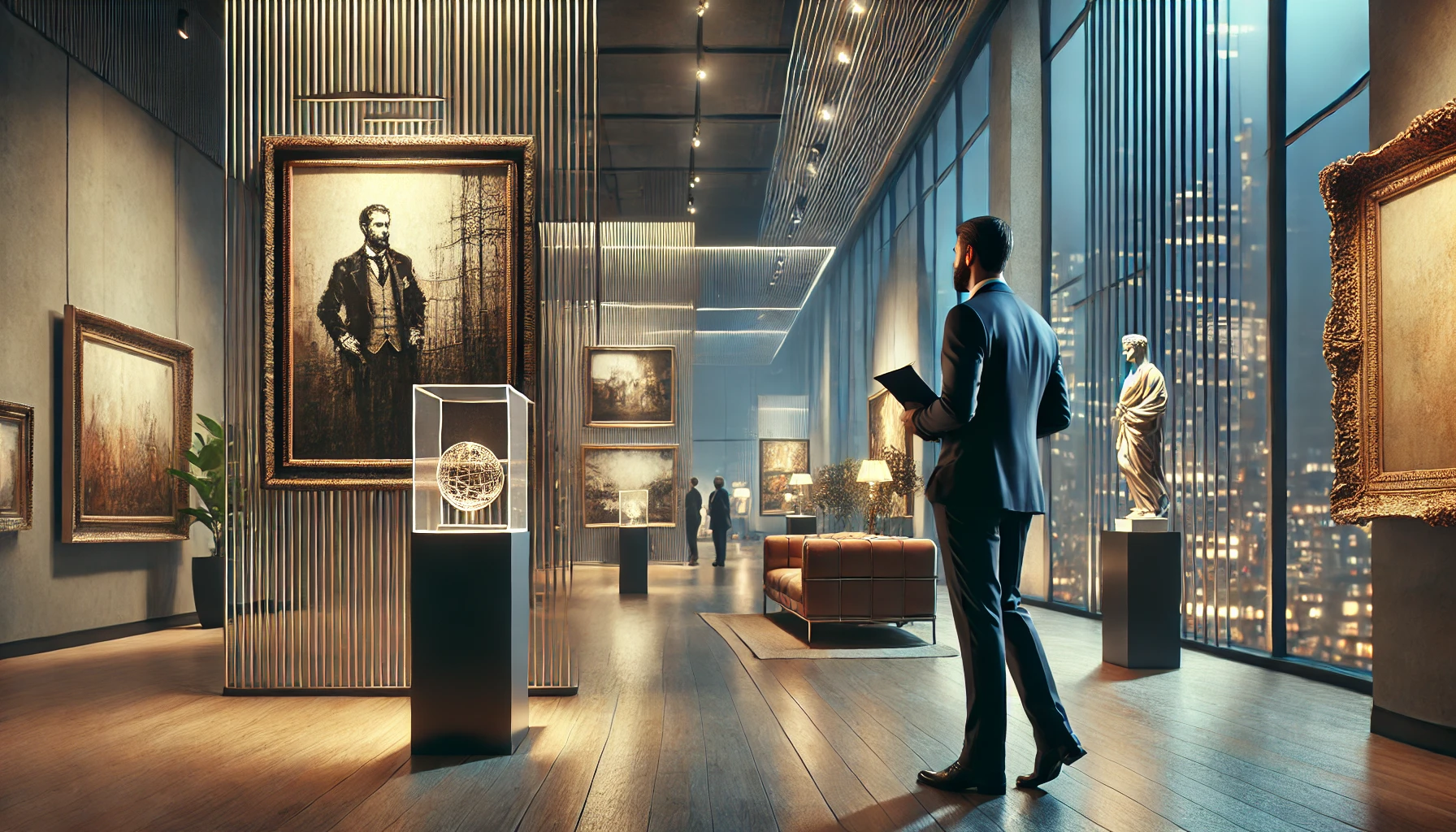
The 2024 Art Basel and UBS Survey of Global Collecting offers art as a valuable investment for high-net-worth individuals in different regions across the globe. This research is conducted by the Arts Economics Research led by Dr. Clare McAndrew and has a yearly frequency. More than 3650 high-net-worth individuals from the United States of America, China, the United Kingdom and some of the Asian and European regions are studied on their spending patterns, reasons and trends. A detailed analysis of global art collecting trends in the year 2024 is revealed by the survey, which occurred during and after an economic crisis as well as intergenerational wealth transfer.
Global Collecting 2024: A Year of High Growth for the High Net Worth Art Investments
While there have been concerns regarding the global and national economies emergence of COVID-19 and other state measures, there’s still an unwavering support for highh-end investing as it still shows to be recovering amid tough economic conditions. Are there any funds available for HNWIs to spend on this base considering the tough economic times? According to the study results, HNWIs average spending did drop by 32%, but there was only a marginal decrease in midmarket art investment, which shows strong interest. Increasing global wealth will force HNWIs to pan further away from high-value buys, which have been the norm, and opt for a more diversified portfolio that spans numerous price ranges.

Notably, both Millennials and the younger audience failed to be as active as in prior years, as buyers’ average spending fell to only $395,000 in 2023. Still, the amount invested by Gen X and Boomer collectors remained high, with Gen X respondents being the biggest spenders, averaging more than $578k, which is almost two times more than other respondents in the survey. Such growing enthusiasm from Gen X and the mid-market collectors in a way indicates a transition towards reasonable and well-rounded investments and a more active engagement in sustainable markets.
Diversity and Emerging Nations: The Diverse Art Collection of HNWI
It bears noting that in the past several years, the proportion of artwork included in HNWI portfolios has grown steeply, especially for women-owned artworks, which in 2021 stood at 30% but increased to 44% in 2023, which is a substantial achievement. Such growth marks a positive development for the art market and its movement/resolution on gender equality. Moreover, since ‘Covid’ lockdowns, collectors spent plenty of money on emerging artists’ work, wherein 52% of the entire amount in spending was dedicated to early or young career artists. The societal shift in support for living and emerging artists suggests the market position, which appreciates culturalist and exploration shifts.

Not only is the gender gap being filled, but there is also a demand for new talent, which is changing Today, many HNWIs’ collections.” Instead of established names, many collectors opt for mid-career artists whose perspectives and styles reshape the art market. This shift also indicates the availability of a broader range of affordable art that has greater scope for experimentation with new acquisitions.
Generational shifts and regional variations in global collecting 2024
The trends in global collecting in 2024 demonstrate clear gaps that are both regional and generational, with some regions and age ranges investing in the arts differently. For instance, in 2023 and the first quarter of 2024, the average amount spent by the Gen X collectors, who were more than the millennials as well as boomers, was notably much higher. The survey results further indicate that mainland China is the best market, claiming to have collectors with median sails of about $97,000, a figure that dwarfs the remaining regions.

On the other hand, Japan and Hong Kong have been described as regions where the spending was more cutback since the number of buyers did not match up with the number of sellers. History has witnessed that with the passage of time, the transaction of collecting art has been influenced by many socio-economic factors, including culture, economics and aging populations. For example, younger collectors are more likely to actively seek out and support local art ecosystems and emerging galleries, whereas older and more seasoned collectors are more likely to rely on established and trendier markets for international purchases.
A hybrid approach: multichannel preferences for buying among art collectors
One of the more striking changes in international collecting begins to emerge in the year 2024, and that is the adoption of art multichannel purchases. HNWIs don’t have to rely on gallery visits and attending physical events; rather, they are expanding their purchasing options to OVRs, dealer websites, and even Instagram. As the results of the survey show, 72% of HNWIs acquired artworks first through making purchases online without even seeing the artwork in person, bringing with it a new way of engaging with prospective buyers.

The method of cross-channel purchasing has been particularly embraced by the millennial generation of collectors who are active, as these platforms provide one with the required immediacy and easy access. The majority of art sales are made through dealers who use their professional networks to source artwork and make a considerable 60 percent of all expenditure, which is dispersed across several channels, including gallery visits, which account for 28 percent, and online platforms, which cover 25 percent. This combination of in-person and digital dealings enables the collectors to explore the art market with greater ease than prior, enabling traditional visits and purchases to mix with fast online ones.
Wealth Transfer and Legacy Planning in Global Collecting 2024
In anticipation of what will be one of the largest interpersonal transfers of wealth in recent decades, which is estimated at over 6 trillion dollars for the near future, rich individuals have had to incorporate legacy planning as a key component of their investment strategies, particularly involving the art world. Almost fifty percent of these collectors who responded to the survey intend or have plans of leaving the works to museums or donating their collections, suggesting an amalgamation from investing in art for personal gain to its investment for collateral as art.

This intergenerational wealth transfer is already changing how the art market looks, as the next generation of collectors is approaching ownership of artifacts differently. For example, while less than a third of surveys conducted on Millennial and Gen Z collectors who inherited artifacts report that the reason for selling is “lack of fit,” they do tend to repurpose the artifacts more and adjust them to fit in modern pop culture, social norms and values. This is already signaling a shift towards a generation that is more socially conscious about their investments in art and also more focused on the purpose of art pieces, as they are more relevant to the younger age.
Art Events and Outlook: A Sense of Change in the Air
Event participation has increased, with a number of collectors looking to return to fairs and galleries at pre-COVID levels. The statistics suggest that the average number of events attended by collectors in 2023 was 49 and confirm that collectors intend to attend events at the same measures in 2024; this translates to high expectations in regard to the future of the art market in a collective sense as well. Also, 91% of HNWIs met in the survey were of the view that the market will do well in the next six months, which is more than their expectations for the stock market, which was 88%.

Such fervor is apparent not only in attendance figures but in intentions to purchase artworks; for instance, 43% of high-net-worth individuals intend to buy new artworks in the course of a year. This sustained interest illustrates the effect that art has on engulfing the economic instability by proving to be a good investment for the investor while creating some cultural and emotional value.
Important Insights for Future Collectors in the Global Collecting 2024
The report of the art Basel and UBS survey on Global Collecting 2024 provides helpful and timely information concerning the behavior and preferences of wealthy art collectors. It stresses the necessity to address inclusion in the representation of the artists, adjust the multichannel purchasing approach to the changing conditions, and focus on the upcoming transfer of wealth, which will redefine art collecting practice over the next couple of decades. A careful and systematic approach to collecting based on the current trends, sensitivity to broader geo-political and socio-political context, and future predictions for the art world market will help collectors to navigate this increasingly complex globalized market.

To those collectors who want to be on top of the constantly changing global collecting environment in 2024, these trends indicate paying attention to the emerging as well as the traditional names. By championing other voices, having a virtual presence, and thinking about a future legacy that spans generations, today’s collectors are not only buying art but investing in a world that appreciates the importance of culture, creativity and endurance. This year’s report is a must-read for any stakeholder trying to comprehend the art investment ecosystem of the year 2024.




Leave a Reply