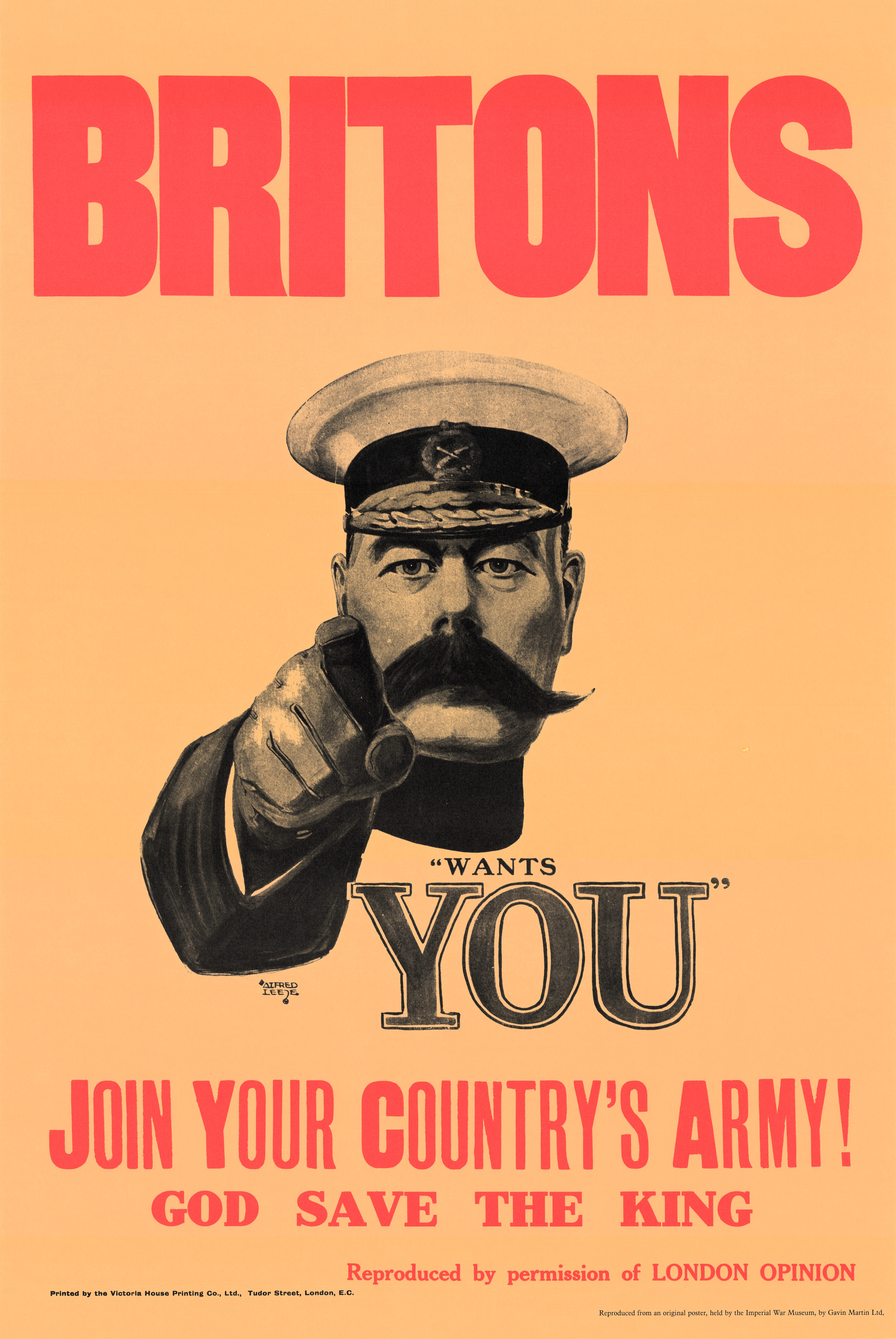
In a dimly lit attic in the heart of Berlin, amid the dust and forgotten relics of a bygone era, an old propaganda poster leans against the wall. Its vibrant colors have faded, but the message remains unmistakably clear: a stern figure, clad in military regalia, points resolutely towards the horizon, a call to action emblazoned below. This image, like countless others, is a testament to the enduring power of propaganda posters, a medium that has shaped public opinion and stirred the masses for over a century.
The Birth of a Medium

Propaganda posters emerged as a significant art form during World War I, when nations recognized the need to mobilize their populations and galvanize support for the war effort. In an age before television and the internet, these posters were the most effective means to disseminate powerful messages quickly and widely. Governments enlisted the talents of artists and graphic designers, who combined bold visuals with stirring slogans to evoke patriotism, demonize the enemy, and encourage enlistment.
One of the earliest and most iconic examples is the British “Your Country Needs You” poster, featuring Lord Kitchener, the Secretary of State for War, with his piercing gaze and pointing finger. Created by Alfred Leete in 1914, it inspired similar posters worldwide, including the famous American “I Want You” poster with Uncle Sam, designed by James Montgomery Flagg. These posters were not just art; they were calls to action, leveraging emotional appeals to duty and patriotism.
The Golden Age: World War II

The interwar years saw a brief decline in propaganda poster production, but the outbreak of World War II heralded a new era of this influential art form. The stakes were higher, and the messages more urgent. In Nazi Germany, the Ministry of Propaganda, led by Joseph Goebbels, perfected the use of posters to promote the ideals of the Third Reich, vilify the Allies, and perpetuate anti-Semitic rhetoric. Artists like Ludwig Hohlwein and Hans Schweitzer (Mjølnir) crafted visually striking and ideologically charged posters that left a lasting impact on the German populace.
In the Soviet Union, the agitprop (agitation propaganda) posters became ubiquitous. Artists like Gustav Klutsis and Dmitry Moor used the medium to glorify the Soviet state, encourage agricultural and industrial productivity, and celebrate the heroism of the Red Army. These posters were characterized by their bold use of color, dynamic compositions, and the portrayal of idealized, larger-than-life figures. The imagery often depicted strong, stoic workers and soldiers, symbolizing the collective strength and resolve of the Soviet people.
Across the Atlantic, the United States produced a plethora of posters aimed at rallying the home front. The Office of War Information (OWI) spearheaded efforts to boost morale, encourage war bond purchases, and promote conservation. The iconic “Rosie the Riveter” poster, with its declaration “We Can Do It!”, created by J. Howard Miller, became a symbol of female empowerment and the crucial role of women in the war effort. Norman Rockwell’s “Four Freedoms” series, inspired by President Franklin D. Roosevelt’s 1941 State of the Union address, also played a significant role in communicating the values at stake in the war.
Cold War and Beyond
The end of World War II did not signal the end of propaganda posters; rather, it marked their evolution. During the Cold War, the United States and the Soviet Union engaged in an ideological battle that played out in every corner of the globe. Propaganda posters were central to this struggle, with each side using them to promote their political ideologies and discredit the other.
In the United States, anti-communist posters warned of the dangers of Soviet influence and the spread of communism. Campaigns like “Duck and Cover” used posters to educate the public on nuclear safety, while others highlighted the benefits of American democracy and capitalism. Conversely, Soviet posters glorified the achievements of socialism and portrayed the West as decadent and corrupt. Artists like Viktor Koretsky and Boris Efimov created powerful imagery that reinforced the ideological divide of the era, often depicting the Soviet Union as a beacon of peace and progress.
Post-Cold War and Modern Era
As the 20th century progressed, propaganda posters continued to evolve. The Vietnam War era saw a surge in anti-war posters in the United States, created by grassroots movements and countercultural artists. These posters used stark imagery and bold text to convey their messages of peace and dissent, challenging the government’s narrative and galvanizing public opposition to the war. Artists like Emory Douglas of the Black Panther Party used posters to highlight social injustices and rally support for civil rights causes.
In the digital age, the role of propaganda posters has diminished, overshadowed by the rise of social media and instant communication. However, their influence remains visible in contemporary movements and political campaigns. During the Arab Spring, street art and posters played a crucial role in mobilizing protesters and conveying their demands. Similarly, in the recent protests in Hong Kong, posters and visual art became powerful tools for expressing dissent and rallying support.
In the United States, the 2016 presidential campaign saw the resurgence of politically charged posters, with artists like Shepard Fairey, known for his iconic “Hope” poster of Barack Obama, creating imagery that captured the zeitgeist and inspired activism. Fairey’s “We the People” series, featuring diverse and powerful portraits, became a symbol of resistance and solidarity in the face of political turmoil. Posters from movements like Black Lives Matter and climate change activism continue to demonstrate the power of visual art in shaping public discourse.
The Enduring Legacy
Over the past century, propaganda posters have been more than just tools of persuasion; they have been reflections of the societies that produced them, capturing the hopes, fears, and ideologies of their times. They have the power to inspire, to unite, and to divide. As we look back at these compelling artifacts, we are reminded of the profound impact that art and design can have on the world stage.
In that dusty attic in Berlin, the old poster stands as a silent witness to history, a reminder of the power of imagery to shape our collective consciousness. It beckons us to remember the lessons of the past, to question the messages we encounter, and to recognize the enduring power of art in the realm of public discourse. As we navigate the complexities of the modern world, the legacy of propaganda posters endures, reminding us of the potent blend of art and ideology that can shape societies and influence the course of history.
Key Players in Propaganda Poster Art
Alfred Leete
Alfred Leete was a British graphic artist and illustrator, best known for his 1914 poster featuring Lord Kitchener with the slogan “Your Country Needs You.” This iconic image became one of the most recognized recruitment posters of World War I and set the standard for similar posters worldwide.
James Montgomery Flagg
James Montgomery Flagg was an American artist and illustrator, famous for his “I Want You” poster featuring Uncle Sam. Created in 1917, this poster became an enduring symbol of American patriotism and recruitment during both World War I and World War II.
Ludwig Hohlwein
Ludwig Hohlwein was a German poster artist whose work was widely used by the Nazi regime. His posters combined modernist aesthetics with strong, clear messages, making them effective tools for Nazi propaganda. Hohlwein’s work remains controversial due to its association with the Third Reich.
Gustav Klutsis
Gustav Klutsis was a Soviet artist and photographer known for his pioneering work in photomontage and propaganda posters. His dynamic and visually striking posters played a significant role in Soviet propaganda, promoting the achievements of socialism and the heroism of the Red Army.
Shepard Fairey
Shepard Fairey is a contemporary American artist and graphic designer, best known for his “Hope” poster of Barack Obama. Fairey’s work, which often incorporates social and political themes, continues to influence modern propaganda and political posters, demonstrating the enduring power of this art form.
Emory Douglas
Emory Douglas was the Minister of Culture for the Black Panther Party, and his posters and artwork were central to the Party’s messaging. Douglas’s bold and provocative images highlighted issues of racial injustice and police brutality, rallying support for the civil rights movement.
Viktor Koretsky
Viktor Koretsky was a Soviet graphic artist whose posters were a staple of Cold War propaganda. His work often depicted the Soviet Union as a force for peace and progress, in stark contrast to the portrayal of the West as aggressive and imperialistic.
The Power of Imagery
The power of propaganda posters lies in their ability to distill complex messages into simple, visually arresting images that can be easily understood and remembered. They tap into the emotional and psychological aspects of human perception, using color, composition, and symbolism to evoke strong reactions. Whether used to rally support for a cause, vilify an enemy, or inspire social change, propaganda posters have demonstrated an unparalleled ability to influence public opinion.
Conclusion
As we reflect on the past century of propaganda posters, we see not only the evolution of an art form but also a mirror reflecting the changing tides of history. From the trenches of World War I to the digital protests of the 21st century, these posters have captured the spirit of their times, shaping and being shaped by the societies that produced them. In the words of George Orwell, “All art is propaganda,” and the history of propaganda posters is a testament to the enduring power of art to move, inspire, and transform.





Leave a Reply