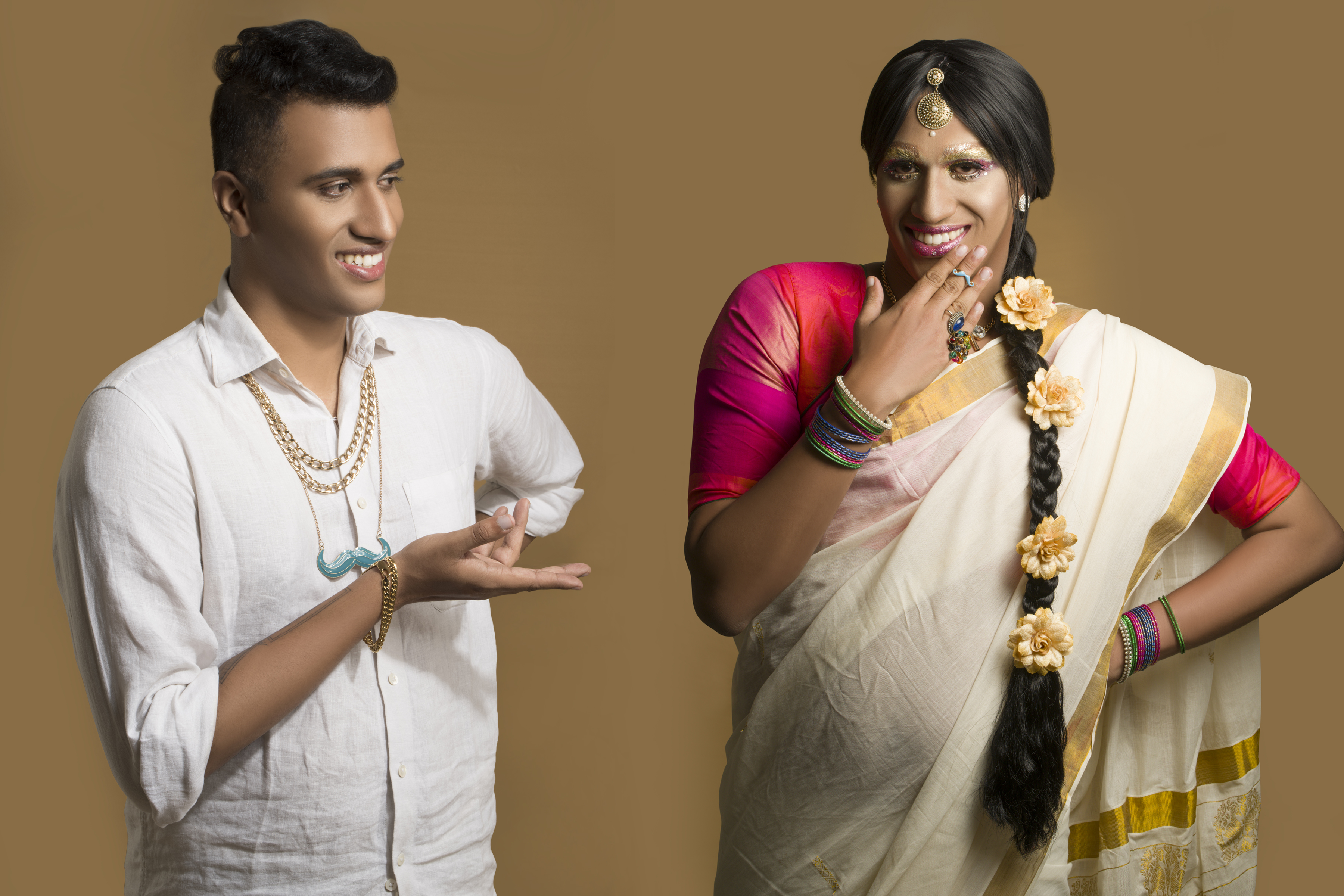
Within the intricate embroidery of Indian civilization, drag queens have been a constant historical presence as well as a present-day symbol for self-expression and resilience. In contrast to their counterparts in the Western world, there are many synonyms which describe India’s Drag queens that reflect this country’s ancient traditions, folklore and subaltern narratives.
Historical and cultural backgrounds
India has had a long-standing relationship with gender fluidity and drag performance throughout its history. It can be observed that various myths and legends refer to those who went beyond binary gender norms in ancient texts. The Mahabharata is one such epic where we find Shikhandi – born female but living as male; besides Brihannala or Arjuna’s feminine character during his one-year exile period. These stories highlight culturally-established acceptance of different genders.
In traditional forms of Indian theatre like Kathakali or Yakshagana, males usually play female roles; this is because women were disallowed from participating in stage performances historically due to societal reasons. However, these art forms weren’t just about cross-dressing; they were revered as great art forms that required intense training while also representing respect towards depicted characters’ duties. Kathakali originated in Kerala where men wear heavy costumes with lots of make-up so as to look like goddesses from mythological tales whereas Yakshagana, being a folk theatre form Karnataka employs intricate dances along with dramas acted out by males taking up women’s parts thereby showcasing not only different aspects but also various shades of human nature masculinity femininity etc.
Subaltern societies
The hijra community among subaltern groups occupies an important position because it has existed for many years across South Asia where people don’t identify themselves strictly as either male or female all the time. During childbirths & weddings hijras perform; they believe that such acts bring good luck & fertility although these individuals are both respected & marginalized simultaneously within society itself due to spirituality attached to their roles which often results into discrimination against them by other members who are ignorant about these issues or unwilling to understand them.
While the modern Indian drag queens are separate from the hijra community, they share similar challenges and complexities within the social hierarchy. Urban areas may worship them openly but in most parts of India there is still widespread condemnation against transgenders who choose this path; wherever caste, class and gender come together; many people living as drag queens belong to marginalized groups therefore face more difficulties while seeking acceptance or recognition from society at large where even basic human rights can be denied based on someone’s sexual orientation.
Modern position and development
In recent times however, visibility for Indian Drag Queens has increased significantly with time. Many performers have been propelled into fame due to social media platforms such as Maya The Drag Queen who uses her celebrity status not only challenge societal norms but also advocate for LGBT rights within her country and beyond its borders.
The present-day Indian drag scene combines traditional elements alongside contemporary ones resulting in a lively mix of both worlds; through bollywood music & classical dances all performed theatrically because that’s how global drag culture thrives best. Such kind of fusion enables one genre which honors cultural heritage keeping pace with current changes influenced by different parts around the world while at it gender diversity gets appreciated thus promoting better understanding among people in cities like Mumbai, Delhi or Bangalore where these shows are becoming increasingly popular drawing diverse audiences fostering greater acceptance of various genders.
Differentiation of Western Drag Queens
In the courtesy of its deep-rooted associations with cultural and religious tales Indian drag queens take a different approach from other forms by the way they perform. The international knowledge about western drag culture which was brought about by programs such as “RuPaul’s Drag Race” mainly concentrates on beauty, cleverness and defying gender roles but this is not the case with India where spiritualism interlocks with traditional aesthetics during performances also involving deeper understanding of cultural inheritance.
Additionally, socio-political settings are dissimilar. In most countries of the west, drag activism is part and parcel with broader movements for gay rights; they usually come up against strict definitions masculinity heterosexual expectations. Although there is definitely something being done here against what we would consider normal gender roles in India today, it must be noted that these efforts are complicated further by issues related to caste systems or even class divisions within societies themselves due largely because history surrounding British colonization which imposed Victorian morality upon them thereby making any challenge towards acceptance much harder than could ever have been imagined otherwise.
Tradition & Outlooks for Future
Indian drag queens’ legacy has always been resilience through adaptation wherever necessary throughout time – this can be seen from ancient myths all the way down till now when social transformations continue demanding wider recognition plus inclusiveness towards various groups including those involved in cross-dressing or transgender activities commonly known as ‘drag’. Awareness coupled by tolerance towards diversity in terms gender identity will gradually increase going forward hence it is safe to say visibility among these artists indicates brighter days ahead characterized more so celebration rather than sidelining people based on how they choose express themselves sexually i.e heterosexuality being normative behavior adopted society at large.
As we move into an era where there seems no limit whatsoever concerning possibilities for change especially in relation human rights arena then stories enacted out on stages set up by these performers may very well play significant roles within our communities across India thus bringing about greater understanding among different individuals regardless their sexual orientations or gender identities. This demonstrates that the future of drag shows in India is bright owing to increasing numbers young people who are now embracing fluid forms sexuality alongside more inclusive definitions masculinity; even educational institutions as well corporate sectors begin creating enabling environments where employees can freely identify with any given sex without fear victimization this will foster creativity within such spaces thus contributing positively towards social inclusion efforts since these areas serve hubs innovation due presence diverse minds operating them which eventually leads better productivity levels among staff members involved.
Drag Queens have come a long way from being mythological characters to becoming contemporary performers – they represent courage, creativity and transformation; therefore their stories need be told so that others may find inspiration too. They showed us the power of combining heritage with modernity; this has not only enriched our cultural tapestry but also challenged what we thought were fixed ideas about human identity.
Image : By Mayathedq – Own work, CC BY-SA 4.0, https://commons.wikimedia.org/w/index.php?curid=96217847


Leave a Reply