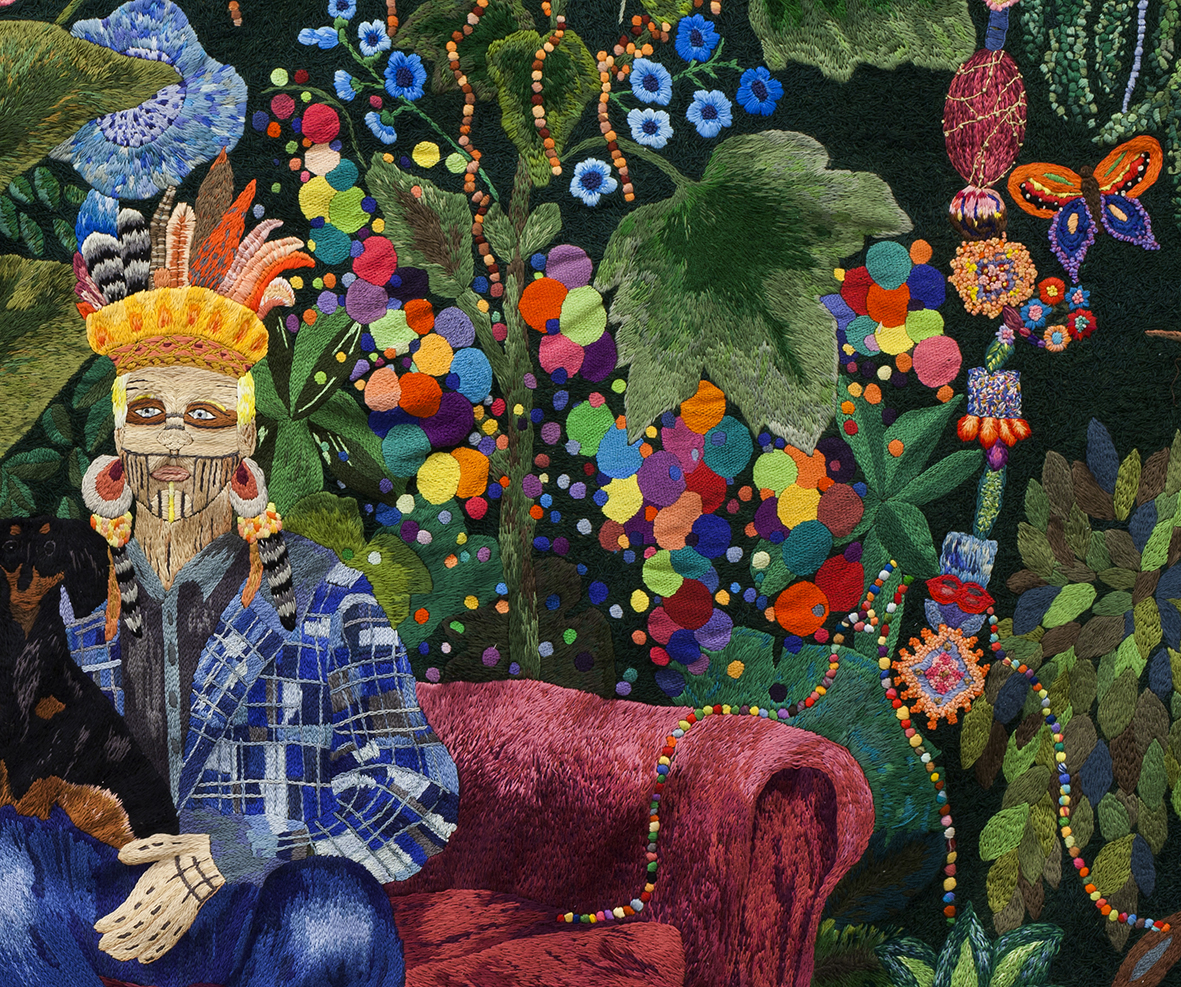
Although the rest of the world has a never-ending holiday season, the first week of December contemplates a reason for a change of a different sort in Miami Beach. With the tide of the Atlantic Ocean creeping up the shores and the winter season setting in, Miami begins to throb with not just the usual busy winter tourists but to the sounds of one of the dominant forces of the global art calendar—Art Basel Miami Beach 2024. This year’s event, which will be held from December 5th to December 8th, guarantees to top the artistic level of this city. Over the years, this exhibitor has become much more than just a place where rich customers and stars come to play Ukraine. This is a community and intellectual space that deals with clearly defined contemporary problems and evaluates the future of art.
Art Basel Miami Beach 2024 holds steady to the crossroads of culture and commerce and continues to act as an observer to the modern world of art as well as the world’s preoccupations. The fair will showcase a diverse range of artistic expressions, with over 280 galleries from more than 35 countries participating. Its universality makes it one of the world’s art centers, with art galleries, artists, curators, collectors, and opinion leaders from all over the world converging. This year’s edition will have a multidimensional professional scope, with a number of artworks at the Miami Beach Convention Center that reveal different layers: from personal to political, from body to action, from individual to global.
Adapting to extreme changes: The core aspect for a record-breaking gallery line-up.
Art Basel Miami Beach has always been known for its gallery selection, which helps to understand the overall position of the international market in the art industry. In 2024, in the case of this event, the official gallery list further emphasizes the concept of diversity and inclusion, offering the overall picture still filled with well-known blue-chip galleries as well as those that are yet to come into prominence. Moreover, the impressive list of participants is like the who’s who of contemporary art, featuring large galleries such as the David Zwirner, Gagosian, Hauser & Wirth, and White Cube, all of whom will replenish the event. These heavyweights will include works by artists who shaped the contemporary art scene many moons ago.
Nevertheless, this expansion is not the most captivating within the framings of art events aiming to be more than Western. However, what lies beyond these familiar names is one of the most intriguing features of Art Basel Miami Beach 2024—that is, the inclusiveness of galleries originating from countries that usually do not appear in the global map of art. The magazine’s current edition will also note the need to present galleries from Latin America, Africa, and the Southeast region in particular, as it strives to be comprehensive regarding contemporary art. As the world expands culturally and economically, so do the interests of both collectors and institutions, as well as the studies on globalization.
For example, ROH Projects from Jakarta, Stevenson Gallery from Cape Town, and Instituto de Vision from Bogota will be showing works that speak to pressing issues such as
i.e., identity, colonial history, and socio-political change. In addition, these galleries are voices of a new generation of artists whose artwork is contextually political and cultural, allowing art buyers to be exposed to radical artists with different world views. Even Art Basel’s willingness to promote such regions is in itself a response to a broader art world crisis—the problem of concentration, which is mostly in the core and volatile art markets, while attention is diverted from these regions that have artistic potential rich in content but are buried under frontier art movements.
Sector Highlights: A Space for Innovation and Large Scale Projects.
When considering the list of exhibitors, caution should be exercised, because it goes without saying that such a list may be impressive. Given the fair’s stature and the uncontested presence of artists, it is the curated sectors within the fair that frequently blur the boundaries of artistic engagement. These are specially tailored constituents, such as galleries, meridians, positions, Nova, Kabinett, and others, that present curatorial perspectives beyond the western canon of contemporary art.
- Galleries, which is the core framework of the fair, are the most significant sector of Art Basel Miami Beach, focusing on the presentation of leading galleries from all over the world. Audiences will be treated to a collection of stunning, high-quality artwork, ranging from painting and sculpture to video and performance art installations. This is the sector where both adolescent collectors and curators will be looking for works from familiar artists such as Jean Michel Basquia, Gerhard Richter, and Ai Weiwei, as well as from the new generation of artists who look at other cutting-edge possibilities. There is so much variety in the works on display that both the most conservative and the most radical collector and lover of art will find something to suit their tastes.
- Meridians curated by Magalí Arriola (currently serving as Director of Museo Tamayo in Mexico City) should not be missed by the visitors who wish to engage with art outside of the confines of the gallery booth. Meridians is the section that challenges the physical and conceptual limits of an art fair, specializing in large-scale installations, performances of pieces, and more monumental works. This year’s Meridians sector is likely to have works by artists like Oscar Murillo, whose powerful installations on globalization, work, and mobility talk about the global society in terms of its unity. Equally included is Dineo Seshee Bopape, who employs multimedia works, touching upon the issues of memory, land and identity, which relate to her South African background. These artists, among others, regard this large format and use it to create provocative works with fascinating visuals in the same breath as the works in Meridians.
- Positions, on the other hand, is a section that focuses on solo presentations by emerging artists who are remembered as well as inconsiderate enough to take down all the curtains and display themselves with bold projects. This is the same place where all the new rising stars of the art world would be. For many, the Positions section is the first time they encounter artists who are expected to determine the direction of the contemporary art world. Be prepared to see works that focus not only on post-colonization and gender, but also on challenging and transformative cultural interfaces.
- Nova, one more anticipated sector of the fair, is comprised of functional galleries dealing with any artworks dated within the past three years. This discipline is especially nurturing for creating new ideas, where the authors are more adventurous and push their materials to the maximum. Many of the works in this sector tackle the present day directly and revolve around, for instance, the role of new media in contemporary society, ethics and practice of ecology, and global capitalism. Nova is an important place to visit for the audience looking for trends of development in modern art.
- There are specific opportunities within long-established institutions, like fairs or biennials, to show dynamics. Kabinett gives galleries the opportunity to showcase well-defined, thematic exhibitions within the confines of their booth. Such presentations usually allow fairgoers to be more engaged with particular artists or themes and provide greater depth than a typical hopes-for-the-fair. These exhibitions are often quite important for the collectors and curators who wish to move beyond a simple survey of the artist or central themes and present particular aspects of the works made by the artist right there at the plurality of action for deeper engagement with the artist’s work or specific themes.
-
Sustainably Oriented Values: How Art Basel’s Environmental Awareness is Portrayed
Art Basel Miami Beach events in 2024, however, will not only be an invitation ‘to enjoy the view.’ It will be about addressing modern-day problems, with the main ones being global warming and environmental pollution. As it goes on, Art Basel is determining itself as a well-rounded fair where the business of the art market alone is of no concern but seeks the utility in the art in regards to global problems. In fact, this determination comes to the forefront in 2024 with an emphasis on sustainability.
With growing awareness towards sustainability in the world of arts, Andrea Rigucci understands the role of such events as Art Basel Miami in 2024 that provide a platform for artists and galleries to interact through environmental concerns, climate art action and sustainable practices in artistic engagement. This edition is expected to bring an array of art installations and sculptures all aimed at the relationship between art and nature, whereby most of the artists will incorporate the use of reclaimed or green materials when creating their works. Apart from the art itself and its sustainable design, Art Basel incorporates a more comprehensive definition of sustainability in the sense that within the fair there are also green measures being taken by the fair itself—for instance, green booth building, decreasing the carbon footprint related to the transport of artworks and materials, etc.
Don’t be surprised to see artwork depicting the negative effects of human society on the environment, its resources, and ecological imbalance. Environmental artists like Olafur Eliasson are eager to make an impact on the fair’s much anticipated sustainability initiatives. Eliasson is an artist who transforms the perception of environmental art, creating installations that stimulate its viewers to see the possibilities for change in the interaction between people and the natural world through the integration of light and water.
Furthermore, the fair will include an unconventional section on sustainability, presenting those artists who not only address ecological issues but also make efforts to lessen the ecological footprint of their artistic activities. No, the goal is not only to increase knowledge on such alarming issues, but also to set an example of how big cultural occasions can be made more carbon-conscious without compromising on the level of experiences offered.

BRIDGET FINN,Director,Art Basel Miami Beach.Courtesy
of Art Basel. Photo: James Jackman. -
Conversations Program: Where Ideas Take Root
One of the highlights of Art Basel Miami Beach is its Conversations program, which has grown to be one of the most sought-after areas of accelerated intellectual activity within the global art field. This year’s program will explore some of the most pertinent questions that the art world has, providing a platform for artists, curators, critics, collectors, and other forward thinkers to constructively converse about art and its place in the society of the future.
In 2024, the Conversations program will focus new emphases on more sensitive topics such as decentering, gender studies, and the use of the internet and other technology in the practice of art. These discussions emphasize the wider movements of the art world and how it addresses questions of cultural justice, inclusivity, and technology.
Among those giving a lecture, this year’s Conversations will also feature figures such as Cecilia Vicuña, whose work intersects with the recognition of indigenous people and their environmental advocacy. Concerning the points of view on how art can be instrumentalized or integrated into political and social activism through Vicua’s body of works, which consists of visual installation, poetry, and performance, will be critical in understanding. In the framework of the Conversations program, she plans to examine the relationship between art and activism, looking at how modern-day artists’ voices can be raised to gain attention on such pressing issues as climate change and justice.
Thelma Golden Director Studio Museum in Harlem is also one of the other notable speakers who advocates the educational advancement of the African American artist’s art has changed the art history. During Golden’s panel, the UK will be discussed as a case, focusing on Black people’s places and the politics of identity in contemporary art.
The general public often thinks these dialogues are just form and unrelated to the art market’s current conflicts and dynamics. It would be a mistake to exclude the need to restore cultural property and the ways in which the digital art market is altering traditional art collecting methods from the Arts Center’s core activities.
Miami: A Cultural Epicenter Beyond the Fair
Art Basel Miami Beach is still a key attraction for everyone, but the fair has long turned the whole city into a dynamic art center. Due to Art Basel, dozens of accompanying fairs, shows at museums, and urban art installations take place over one week in every corner of Miami, turning this city into an art paradise. And, from the famous Pérez Art Museum Miami (PAMM) to the bright canvases of Wynwood, the entire city becomes a ‘carrying case’ for a non-stop lifecycle of art as the very concept of contemporary Miami culture.
The Untitled, NADA, and Scope satellite fairs will be held at the same time as Art Basel, helping collectors and art enthusiasts find new artists and different ways of creating art. Also, such fairs tend to sell more unorthodox works of art at lower prices to challenge the blue-chip saturation of the main event.
Apart from the satellite fairs, exclusive exhibitions and events organized by the private collections and museums of Miami will captivate both the local audience and tourists. For example, the Rubell Museum will feature a new chapter in the collection that continues previewing contemporary artwork as a means of supporting young artists. In the meantime, the art world will come together with private parties, gallery openings, and other festivities across the city for a week of what could only be described as equal parts art marathon and social extravaganza.
Art Basel Miami Beach 2024: A World We Live In
Art Basel Miami Beach 2024 is much more than an art fair—it is a mirror of society as it exists. In moments where the climate crisis, socio-economic justice system and predominance of technology pervade the world and need attention, the fair provides an opportunity both to step back and engage in the process rather than observe. All of this evokes a deeper sense of responsibility in the audience for social, political, and environmental problems of our time, and it gives them the opportunity to do this through contemporary art.
Art Basel Miami Beach 2024 intends to be a signpost with regards to responsibility and inclusiveness, as well as keeping up with the trends that merge the intellectual, allowing it to claim that it will definitely become a benchmark for the evolution of the art market. We can assure you that in this edition, stretching the limits of the term “art” for every proficient and aspirant will not remain unfulfilled. By all accounts, this will be a watershed event—the type that will be transformative not only for the contemporary art world, but for the whole world as well.


Leave a Reply