Every autumn, Regent’s Park in London becomes flooded with artistic activities as the Frieze London and Frieze Masters bring together two of modern, as well as historical, art’s greatest personalities. This series brought the active exchange between novice and more renown figures in the art industry, including galleries, collecting, or institutional ones, from the 9th to the 13th of October in 2024, which became more traditional. This year, prizes and acquisitions became the focus as they demonstrated the goal of the fair-cultural diversity, excellence in curation, and expansion of public collections. Apart from engrossing the members of the art market, Frieze London and Masters give creations to awards that dominate the cultural area with the aim of identifying and awarding as many different voices and practices as possible.
Frieze Tate Fund:
Aid for Tate Firstly, it is necessary to highlight one of the main attributes of the British mosaic, which is the Frieze Tate Fund. One of the main targets of this event is to increase the grocery food without frivolous condoms for the community participating in the event with a genuine commitment to its cultural enhancement. Endowed by equity from its parent company Endeavor, that sum is earmarked for the acquisition of works from Frieze London and Frieze Masters each year in the amount of £150,000 in order to enrich the current catalogue with the most relevant contemporary and historical works and make it one of the UK’s leading public collections.
The fund celebrated its ninth birthday in 2024 through a few more acquisitions that were both stylistic and cultural in scope, enhancing Tate’s goal of ensuring a wide range of voices are heard. The selected artists of the year include the following:
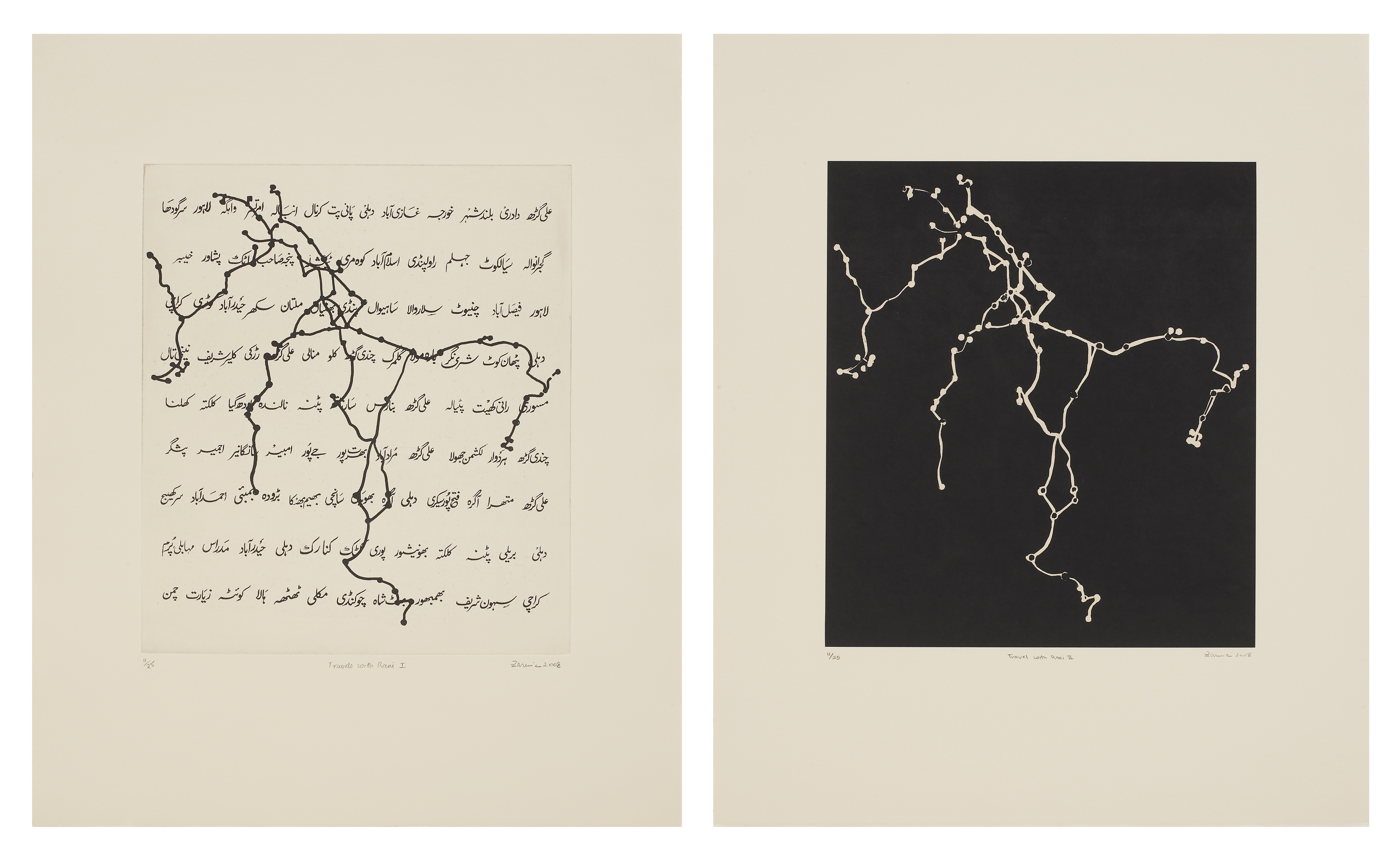
Bani Abidi (Experimenter)
Inspired by political and social issues, Pakistani artist Bani Abidi creates videos, photographs, and drawings. Her works often focus on postcolonial nationalism, the politics of states, and portraying one’s self. Abidi could be described as one of the prominent contemporary South Asian artists.
Mohammed Z. Rahman (Phillida Reid)
A new entrant to contemporary art, Rahman deconstructs contemporary society and postcolonial identity in his works, often with an integral investigation of time, or rather, history, politics, and social memory. The inclusion of his artwork in Tate’s collection is evidence of the institution’s desire to tackle social problems of current importance.
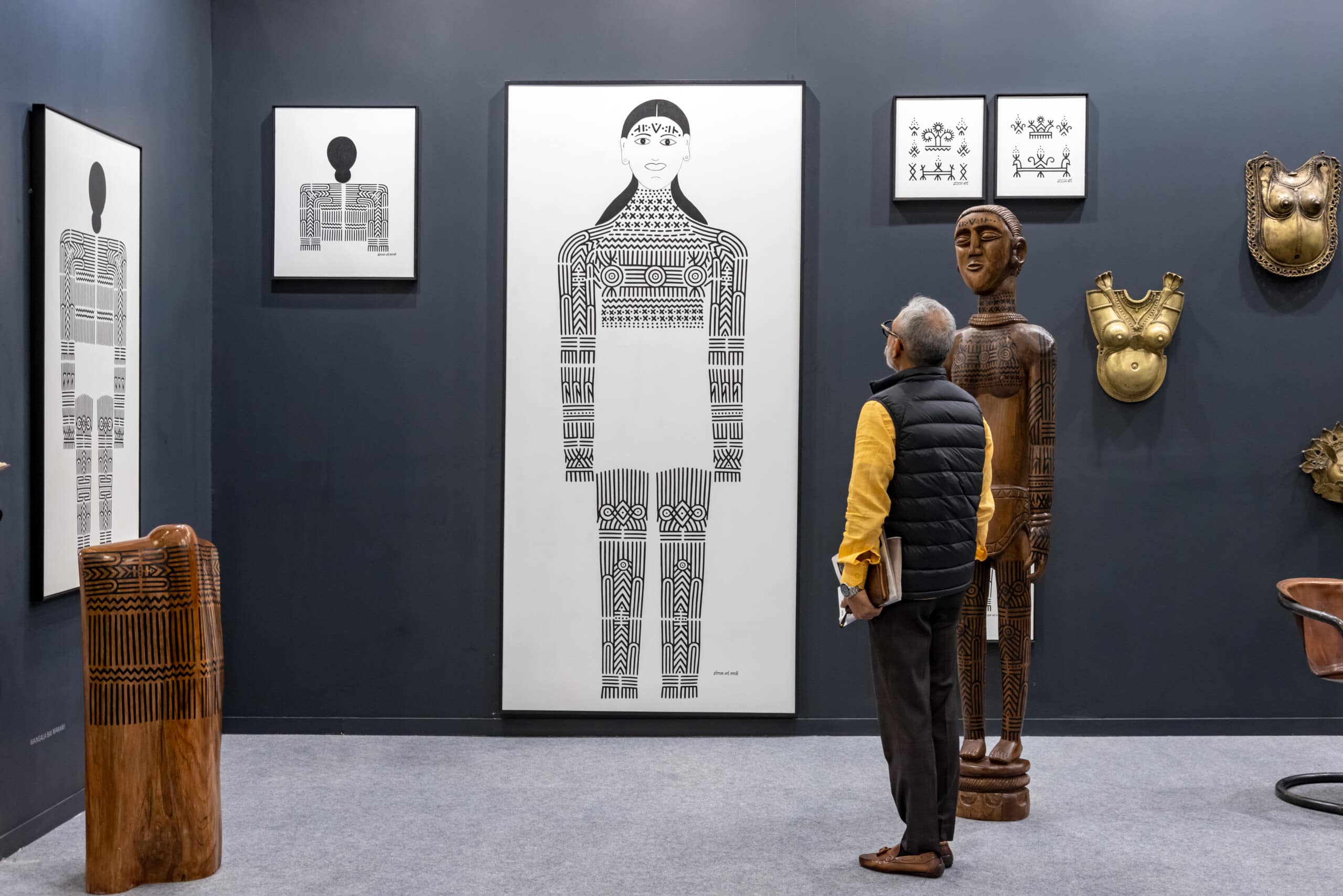
Naminapu Maymuru-White (Sullivan+Strumpf)
Maymuru-White is a Yolŋu woman who resides in Northeast Arnhem Land, Australia, and draws strongly from Indigenous and ancient cultures in her body of work. Her decorative painting and bark body works are further assisting in the accumulation of Indigenous Australian representation in art world institutions.
Eva Švankmajerová
The Gallery of Everything In regard to Czech Surrealism, one of the Czech accusations is that the artist is Švankmajerova. It has been an artist of lenticular sculptures, two-dimensional illusory and movable pictures, and videos. It is hard to imagine Tate’s collection without Švankmajerova, who combines surrealist interpretations with thoroughly controversial relations to personal and political freedom about her practice and her artistic philosophy. This does not usually include Eastern European traditions in short—that is why they wanted Eva.
The Frieze Tate Fund Working together with its Freize Tate Fund, it bought over 170 works by over a hundred artists. These tangible improvements resulted in the further enhancement of the displays and exhibitions in all four branches of the Tate galleries’—Tate M Modern, Tate Britain, Tate Liverpool, and Tate St. Ives—and thus contributed to a more encompassing view of contemporary historical art. The 2024 projections regarding the extension of Tate’s collection allow for a structured presentation of contemporary art, focused on the diversity of the audience and the broadness of the geographical scope of the work, as well as the opportunity to speak out on issues that have gone awry.
CAS Collections Fund: Working Towards Feminization of Art at The Hepworth Wakefield
The aim of the Contemporary Art Society’s (CAS) Collections Fund at Frieze, to help underrepresented artists, has not been to acquire funding. In 2024, the fund aided the acquisition of the works of two pioneering women artists at the Hepworth Wakefield, the foremost center for modern and contemporary arts in the UK. This will be the first time these two artists will be featured in The Hepworth’s collection:
Haegue Yang (Kukje)
Haegue Yang (Kukje) is a South Korea-born artist whose works touch on installation art, sculpture, and performance and who has won the admiration of many. Many of Yang’s works focus on the issues of displacement, migration, and identity. Her work engages materials and forms that are both intimate and political. She is one of the most important contemporary artists in the world.
Nour Jaouda (Union Pacific)
Jaouda’s identity as an Egyptian informs her work in various aspects; she roots it in geography, self, and belonging. She is an artist who fuses personal history with collective memory. Large installations and textile works expose shifting social borders and the impact of migration, making her a central figure in the disruption and meaning of cultural integration.
The CAS Collections Fund at Frieze has improved UK public collections, including greater numbers of artworks by women and artists from other backgrounds. This year’s acquisitions by Haegue Yang and Nour Jaouda affirm the same ethos of the fund with respect to gender as well as inclusion in the British institutions’ perspectives of all people around the world.
Camden Art Centre Emerging Artist Prize: Supporting the Next Generation of Talent
Among all the awards given out at Frieze London, the prize for emerging artists is perhaps the most sought after—or, perhaps, the most eagerly awaited of any. The emerging artist is awarded a prize to organize a solo show at Camden Art Centre, one of the important educational and art centers of London, which works in the field of contemporary art.
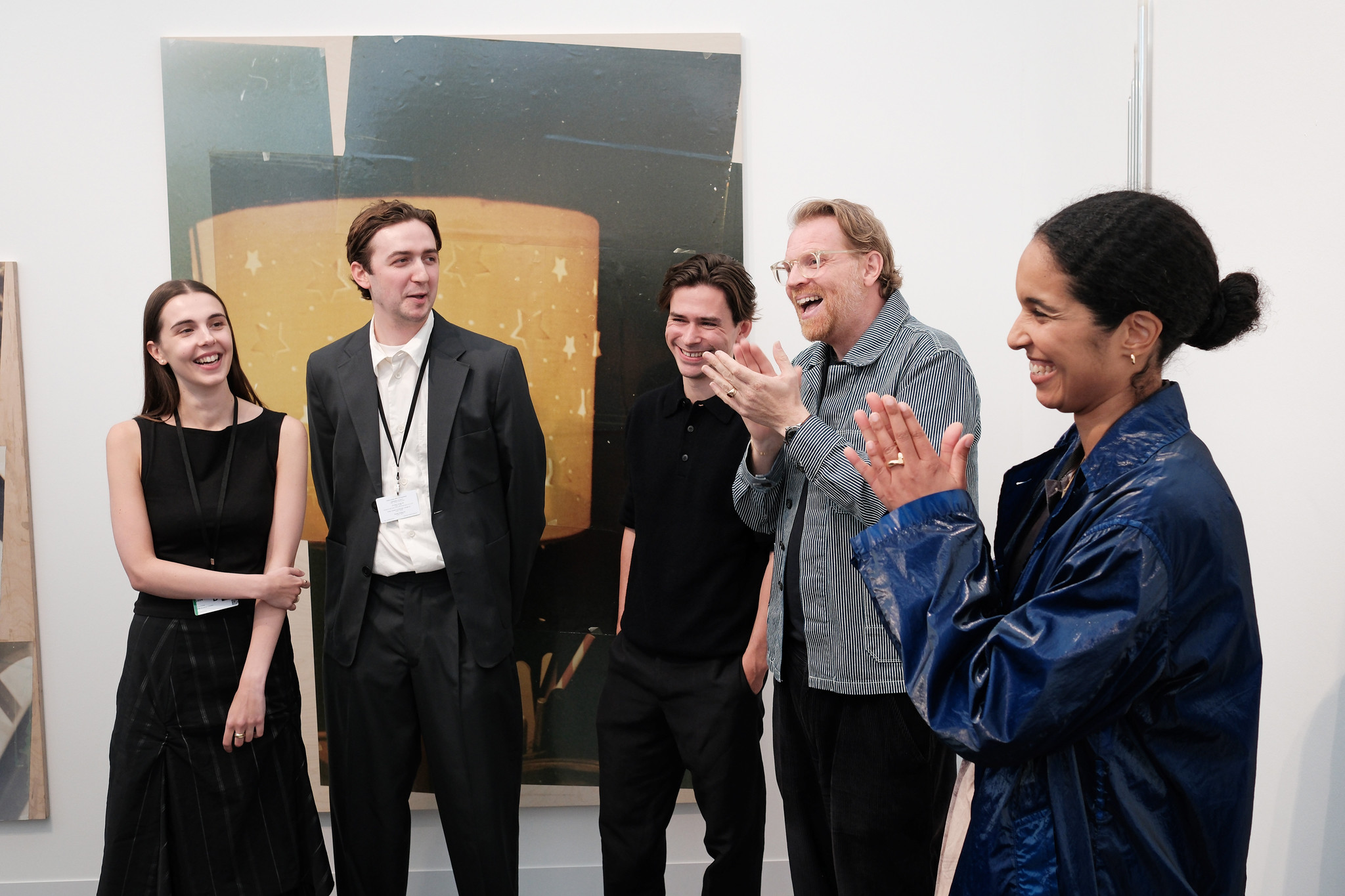
In the year 2024, the prize was given to Nat Faulkner, an artist from London represented by Brunette Coleman within the Focus section at the fair. Faulkner’s subject matter ranges from the avant garde to the contemporary, and his artistry is an innovative manipulation of various materials shouted out to the people and critics. His individual exhibition at the Camden Art Centre within the next couple of years is likely to play a huge role in the further development of his professional career and the quality as well as sales of his works.
The Camden Art Center Award for an Emerging Artist is not only a mark of pride for the awardee but also points in which the institution’s role in growing emerging artists and enhancing the practice of contemporary art is recognized.
Days That Shook The World on show now—Arts Council Collection Acquisitions Fund: British Talent in Focus
In 2023 at Frieze London, the Arts Council Collection Acquisitions Fund was launched, which aims to add to the rich collection of the Arts Council so that it becomes the most borrowed collection of modern contemporary British art. The acquisition fund was directed towards the collection of works that were responsive to current socio-political issues and trends in 2024 and cared particularly about the factors of identity, materiality and social change. The awarded artists included:
Nour Jaouda (Union Pacific)
Jaouda’s work, enthroned within both the CAS Collections Fund and the Arts Council Collection, reiterates the need for her to be heard in contemporary art; this concerns more about issues of identity and migration.
Nicole Wermers (Herald St.)
Based in London, Wermers is a German-born artist, like Crawford, who embraces conceptual art to construct installations advocating against materialism and consumer ideology. Her pieces draw from sculpture and design but also cross over into both in a curious way that stretches and moves the boundaries of wow form making and space usage.
Shaqúelle Whyte (Pippy Houldsworth)
Whyte is gaining prominence in the British art world and examines race, identity, and belonging in many aspects, usually in a very autobiographical way. The scope of his works includes a color and a form both untypical for the African British contemporary art scene, thus refuting the polarizing views of British modernism on Blackness.
The Arts Council Collection Acquisitions Fund continues to be important in making sure the art collections in the country house that are suitable for borrowers are diverse and representative of the living changes in British society.
Spirit Now London Acquisition Prize: Supporting Decentralized Institutions
The resemblance is rather alarming! The Spirit Now London Acquisition Prize is one of the prizes that assists decentralized institutions in their moves across the UK as far as acquiring contemporary and diverse collections is concerned. In 2024, the prize enabled the Windows at Cambridge, an establishment that aims at showcasing the contribution of women to the visual arts, to acquire three important pieces of art. Among the suggested artists are:
Shafei Xia (P420)
A traditional and contemporary artist, Xia’s work practice crosses the fabrication of her artworks with contemporary culture.
Asemahle Ntlonti (blank)
Ntlonti interrogates work about South Africa that is ever moving beyond colonialism; all genres of work are deeply issue-oriented around race, identity, and coloniality.
Bambou Gili (Night Gallery)
Gili creates gender and gender identity within her multimedia artwork with a clear-cut connection to her own cultural experience.
The Spirit Now London Acquisition Prize is particularly important in furthering the inclusion of the diverse narratives in the UK institutions, especially those within the regions and collections that are still less developed.
Comité Professionnel des Galeries d’Art et Fluxus Prize et al.: Help disrupting the French art establishment
The Comit Limousin and Fluxus Prize is granted to one of the French- or France-based participants of Frieze London while trying to market their work. Visiting circles all over Paris, the prize was given the following year to Stéphanie Saadé (Marfa’) for her surprising approach to modern art and practice that awakens memory and body in the subject matter. Out of the £15,000, 33% is allotted to the master and 37% to the gallery, giving news and publicity to both.
Stand Prizes: Samples of curatorial and gallery achievement
Among these awards, there were two standout prizes, which were also introduced at Frieze London 2024 in recognition for galleries engaging with their presentation and curatorial ideas in a commendable way.
This push enabled Proyectos Ultravioleta (Guatemala City) to scoop the Frieze London Stand Prize with their dual exhibit of new paintings by Edgar Calel and miniatures by Rosa Elena Curruchich, which were of historical significance. Highlighting cultural continuity across generational borders, the display featured two indigenous artists from San Juan Comalapa.
The Focus Stand Prize in the Focus section went to Hot Wheels (Athens, London) for their plis presentations of CFGNY’s wall works. Aside from the above, their presentation also constructively challenged the conventional arts exhibition formats, seeking fusions between fashion and art in order to engage identity and transnationality as themes.
The long-term influence of Frieze in the art industry
Once again, Frieze London and Masters 2024 proved that they are crucial in the making of the art world not only through sales but by allowing institutions to possess artworks that promote pluralism in today’s art practices. The scope and scale of this year’s prizes and acquisitions show Frieze’s aim of promoting diversity, nurturing new generation and broadening the concept of curatorial practices.
By acquiring works for key state collections and raising the profile of artists from different parts of the world, Frieze guarantees that the concerns of contemporary artists will be included in the exhibitions and collections of the future. All in all, Frieze has primarily been and now is a space where the most important debates in the contemporary art context are held and acts as a bridge between the commercial art world and the cultural heritage of society.
Featured Photo Nat Faulkner wins Camden Art Centre Emerging Artist Prize at Frieze London 2024, Courtesy: Linda Nylind. Courtesy Frieze / Linda Nylind.


Leave a Reply