
It’s not always interesting to hear other people recount their dreams but imagine if their tales sounded strangely familiar. Do recurring motifs like being late, being chased, making friends with famous people, or having a sudden fall tell us anything about our inner selves? Halfdream.org is a new art initiative that encourages people to locate others who share their dreams.
In 2020, artist Doreen Chan came up with the idea for the interactive project in reaction to the isolating and anxiety-inducing impacts of the pandemic and political turmoil in her native Hong Kong and Black Lives Matter protests around the world. Dreams aren’t the result of our actions and choices; they’re something unique to each of us that we have no say over. Dreams can bring together people who differ on social or ethical problems while awake. What if they discovered that their enemy shared their dream? How would that affect their outlook?
“Dreams contain a lot of deep feelings; they can unfold deep meanings while not limited by country borders, languages, or skin colour, and by sharing them anonymously, people can be linked by something deeper,” said Chan. “These initial exchanges may evolve into a comfortable channel for self-expression and peer support.”
Halfdream is an online platform for dream submissions, as well as a series of workshops and a small show of previously shared dreams now on view at Para Site, Hong Kong’s premier contemporary art space, until July 30. Before answering basic questions like “Were you yourself?” and “Were there any other characters?”, users who are dream logging online are asked to meditate on their experiences. After elaborating on the dream’s details, users can add supporting media such as images, movies, or audio recordings, or even create a visual representation of the dream’s events.
The service claims that it can utilise artificial intelligence to anonymously pair the user with anyone else who has the same dream. If both parties are on board with moving forward, they will be given access to a series of daily exercises designed to unearth the commonalities in their lives that may be causing them to have similar dreams at night. At last, users will be able to be completely transparent and potentially have a genuine relationship with their “dreamate.”
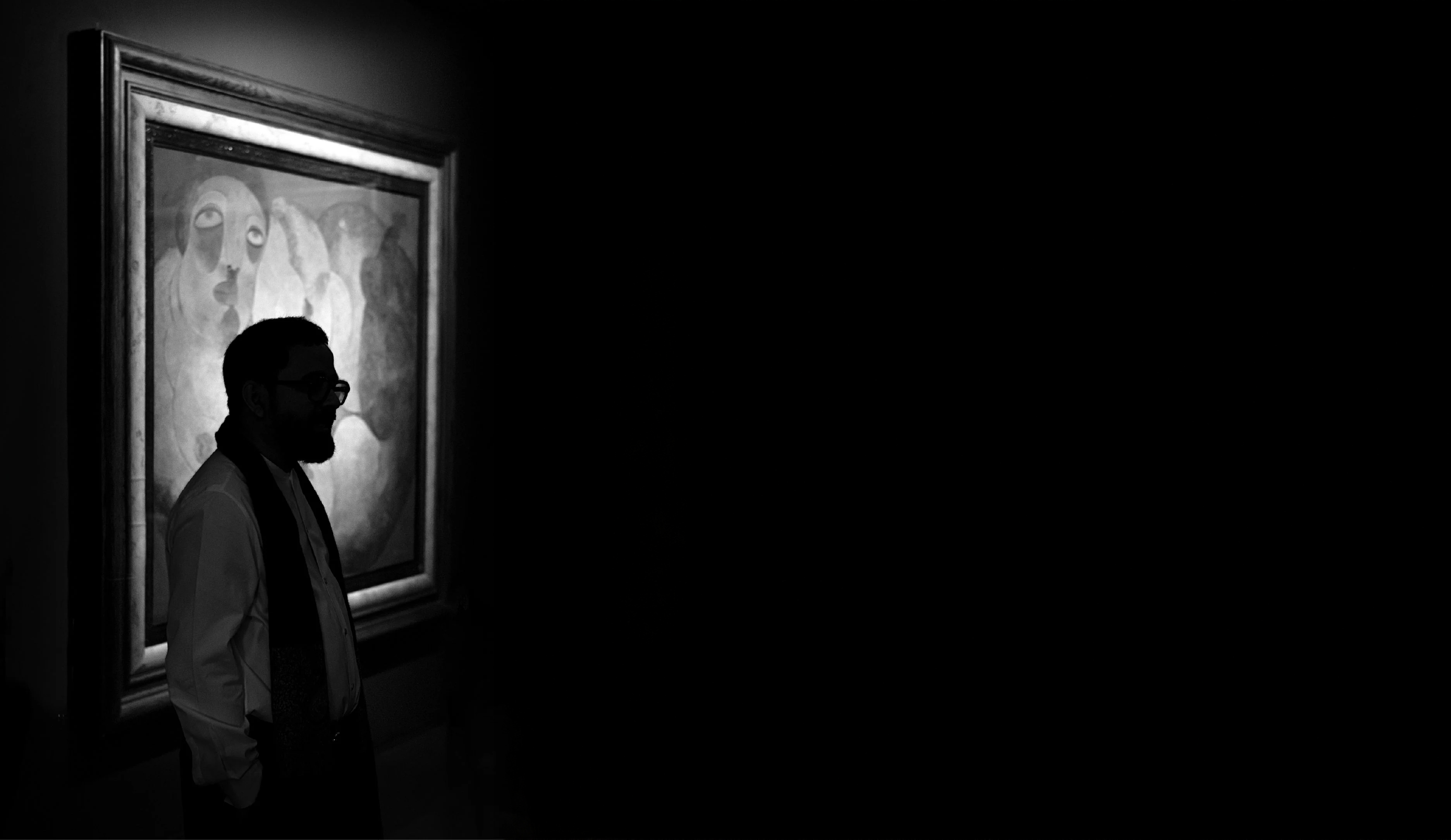
Image Courtesy: Tom Little

TNA Editorial
- TNA Editorial
- TNA Editorial
- TNA Editorial
- TNA Editorial
- TNA Editorial
- TNA Editorial
- TNA Editorial
- TNA Editorial
- TNA Editorial
- TNA Editorial
- TNA Editorial
- TNA Editorial
- TNA Editorial
- TNA Editorial
- TNA Editorial
- TNA Editorial
- TNA Editorial
- TNA Editorial



Leave a Reply