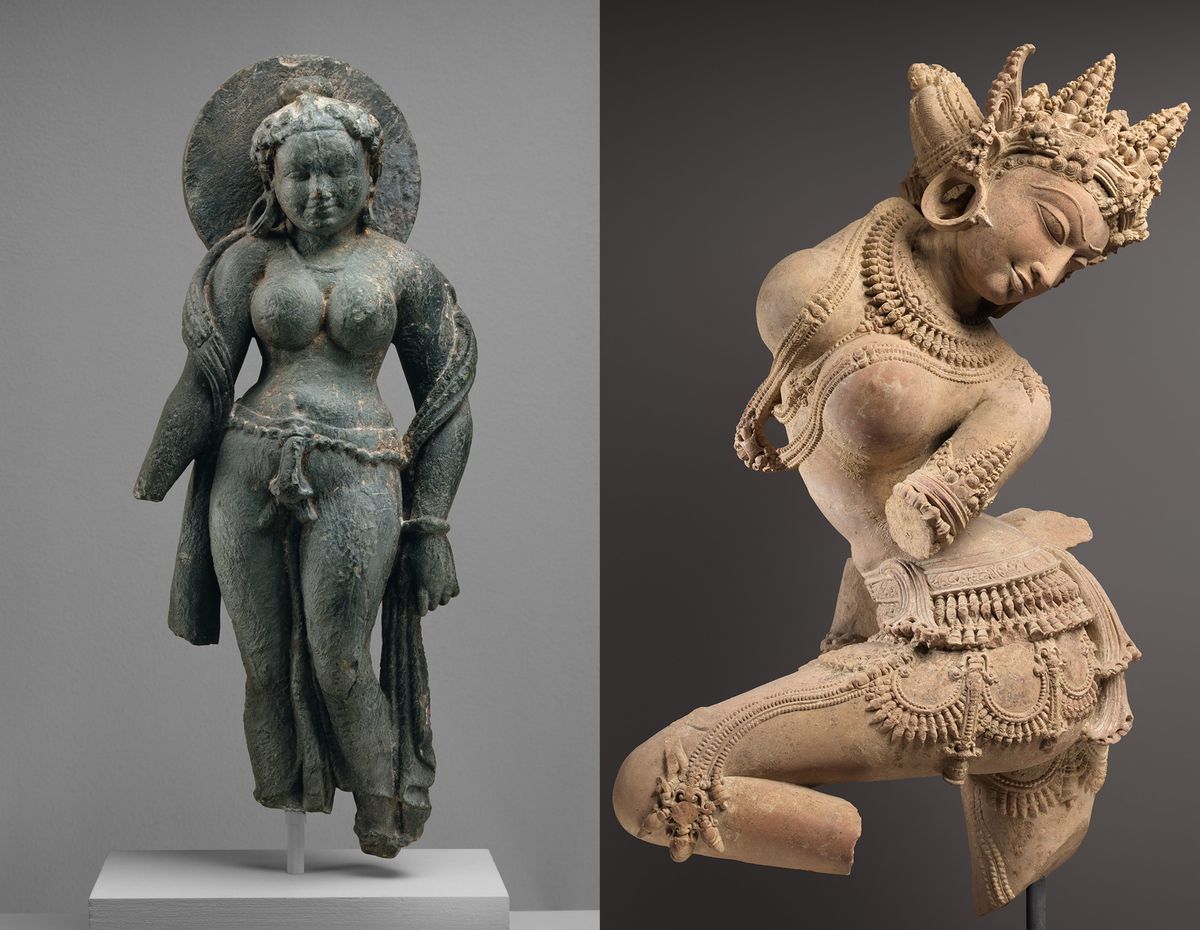
In what can only be considered a heartening development, U.S. federal authorities and the Manhattan District Attorney’s Office returned a staggering twelve hundred artifacts worth about ten million dollars, marking a significant turning point in India’s continuing efforts to combat the looming threat that endangers the country’s cultural heritage. The artifacts that were part of this historical occasion have profound significance as they relate to a number of religions. This demonstrates a collective international effort to end the illegal trade of Indian antiquities and return these historical assets to their rightful owners.
The Black Market of Indian Antiquities: An International Challenge
Pottery, paintings, sculptures, and a myriad of other items that are firm indicators of India’s vast occupational and cultural diversity have become the subject of clandestine international smuggling for years. This is not the first time that Indian antiques have faced international scrutiny, as individuals such as Nancy Wiener and Subhash Kapoor have gained notoriety for their trading of these relics in various unregulated markets.
The problem is huge: traffickers destroy temples, sell parts of them, which are then recreated out of the original pieces in foreign lands. In particular, the case of Kapoor shows the dark web of smuggling, as he directed the exit of great things such as the sandstone dancer and Tanesar Mother Goddess from India to New York galleries.
The Role of High-Profile Institutions
Apart from ‘borrowed’ artifacts, The Metropolitan Museum of Art has also been under the radar for some time as one among many leading global institutions. For instance, the celestial dancer sculpture can be seen as a sacred piece of art that was robbed off a temple in Madhya Pradesh and then given to the Met for display for decades. In like manner, the Tanesar Mother Goddess, which was stolen from Rajasthan, was also there at the Met before tracing its origins to imperialism. These instances highlight the necessity of proper artifact measures before acquisition.
Now, institutions like the Met are increasing the measures toward establishing the provenance of artifacts as an indication of the current positive trend within the global art society. But these efforts ought to be stepped up if stolen artifacts are to be located and returned back.
A Global Movement to Stop Human Trafficking
According to the statement made by the US Department of Homeland Security in Strasbourg: “It’s amount SOME DONATE to making so that makes WHAT YOU PUT AN INSIGHT this week, the Indian antiquities were repatriated, as the result of years of painstaking work by the Manhattan DA’s Antiquities Trafficking Unit (ATU) and the efforts of the Cultural Art Traffic Division of Homeland Security Investigations (HSI).” We need more networks like this to dismantle the global trafficking movement, and this demonstrates the power of international cooperation. Alvin Bragg, the Manhattan DA, reiterated his words meant to address, in particular, traffickers, other words that would ensure e accountability. Wong HSI’s Special Agent in Charge, William S. Walker, called the success of the multi-year investigation into the Kapoor accused’s network a “victory,” for this was done to preserve the cultural heritage. We also do this to ensure that such cultural treasures are returned to their rightful owners, which is part of wider global efforts led by agencies like the United Nations Educational Scientific and Cultural Organization (UNESCO), which on 14 November marks the International Day against Illicit Trafficking in Cultural Property.
Focusing light on the repatriation of antiquities

Courtesy Manhattan District Attorney’s Office
The volumes of alliances, cultural property, and heritage that are used by people and exchanged with other cross cultures today, like Mark International, relate to the following regions, religions, and historical periods of Indian Art and Art Culture Artifacts Perkins in the able which
1. Artifacts that are particular to the state of the Pakatan Nizam Shaik Qarray the ten trail. The Sandstone Crescent Dancer artwork is a significant historical Hindu antiquity that was taken away in the 1980s from Indian temple art that displayed the beauty of the deities, after which it was smuggled and moved to New York. Despite the fact that it was broken along the way to make it easy to move around, the masterpiece workmanship was reconstructed back, and the woman dances. It was acquired by the Met. In Met was on exhibit but then seized in the year 2023.
2. Tanesar Mother Goddess: Originating in the Rajasthani region and created in the 1960s, this schist carving witnessed several transactions before landing at the Met in 1993, where it remained till 2022.
3. Other Artifacts: There are bronze idols and figurines in terracotta, religious relics, and ancient scripts, among other materials. These works, tautologically, have aesthetic value and are, at the same time, priceless documents pertaining to Indian history and spirituality.
Subhash Kapoor: A Notorious Trafficker
Subhash Kapoor, who once gained fame as an art dealer, is presently serving a jail term of ten years in India for being an active member of the largest antiquities trafficking organization in the world. Back in India’s art trading scene, Kapoor was involved with several antique markets, ranging from rough art to fine art. His temporary art smuggling has now led his over 100 million dollar invoices into trouble. He is also facing other criminal charges for his international wreckage, and he is currently waiting for his extradition.
As the trafficking investigation of Kapoor unfolded, several individuals and galleries around the globe came into the picture, revealing a more complex web of connections that involves intertwined corruption in the world of art. This case highlights the gap that needs to be filled with better monitoring and policies that work to stop the illegal trade of Indian antiquities.
Doris and Nancy Wiener: Women in the Picture of the Illegal Trade
Doris Wiener, an art dealer, and her daughter Nancy Winer were among the traffickers in Indian and Southeastern art. Doris Wiener’s gallery was of great esteem, catering to diverse clientele, such as Jacqueline Kennedy and John D. Rockefeller III. This legacy daughter carried on by trading in the stolen artifacts with the institutions across the globe. Nancy Winer accepting guilt in 2021 was a key moment in exposing the role of several noted dealers in the illicit business.
Cultural Relics and Return of Artifacts for Nationalist Aims in India
Restoration of these 1440 artifacts is a massive victory for India’s cultural diplomacy, which aids the national bid for international recognition. These artifacts, which were in total displacement throughout the world, will now return to their ancestral homes in temples and museums in India to be revered in their true form.
Rituals for repatriation also have to be said in reverse. It is an assertion of colonial and illegal trafficking impact and, more importantly, why it is important to save the heritage for generations to come. Whole tonality acts as a deterrent, which makes violators understand the ramifications of their actions.
Repatriation of Cultural Artifacts
This repatriation underscores the need for more robust international standards to safeguard against illicit trade in cultural property. Governments and civil societies in all countries must form best practices that are aimed at developing systems that are traceable and accountable in the context of returning lost heritage. Education programs, enhanced regulatory measures, and advanced technologies for supply chain management, such as blockchain, should assist in accomplishing this.
Reasserting Loss for Global Avoidance
In this sense, the recovery of these Indian antiquities represents an important turning point in the conquest of the illegal trade of all forms of cultural property. It underscores the need for equitable partnerships with other nations, guidelines, and policies as to the manner by which art or artifacts are acquired. Expanded global frameworks for mitigating risk to cultural heritage will include a myriad of measures to include leaving the country, more artifacts can return, and India can confidently be proud of ameliorating furthering enriching its past, ensuring that the wonders of the civilization be preserved at least for ensuing generations. This achievement indeed is a challenge to the world at large, particularly the First World nations, to switch on their conservation systems for aiding cultural heritage.



Leave a Reply